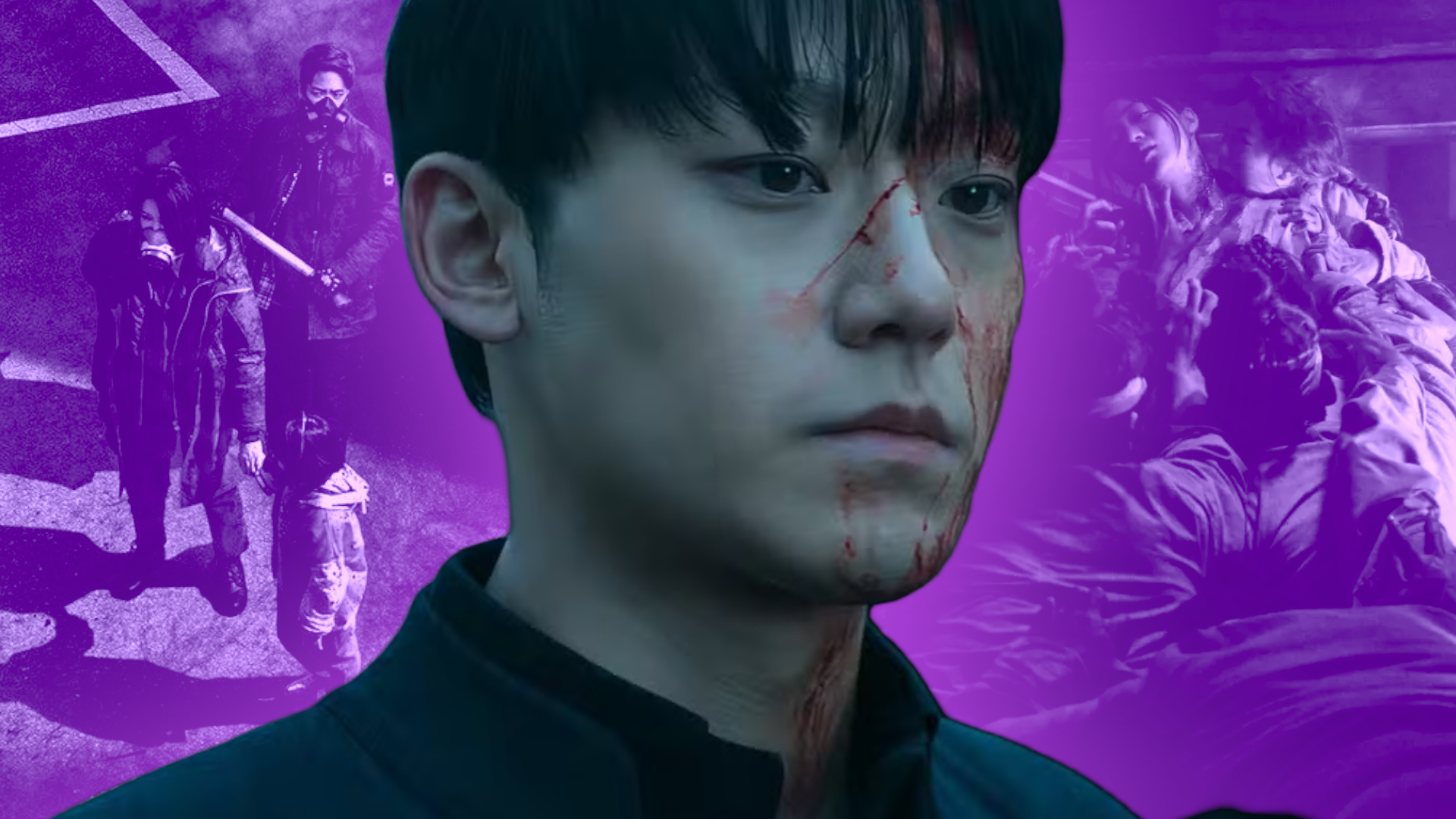
South Korea's zombie dramas command global audiences with the same intensity that made "Squid Game" and "Parasite" cultural phenomena. The zombie genre thrives in K-drama form, blending horror with social commentary and character-driven storytelling in ways that distinguish Korean takes from American zombie fare.
Korean zombie dramas excel at embedding undead narratives within class conflict, government corruption, and survival ethics. Shows like "All of Us Are Dead" captured Netflix audiences by treating a zombie outbreak at a high school as a lens for examining institutional failure and teenage resilience. "Kingdom," the historical zombie series, weaponized the undead as both literal threat and metaphor for political decay during Joseon Dynasty power struggles. Both series proved Korean creators understand that zombie narratives work best when corpses represent something larger than infection mechanics.
The appeal transcends horror fans. K-dramas attract viewers seeking narrative complexity, strong ensemble casts, and production values that match prestige television. Zombie dramas here rarely exist as pure genre exercise. They function as pressure cookers where characters confront mortality, betrayal, and moral compromise in confined spaces. The emotional weight matters as much as the gore.
Platform investment reinforces this. Netflix backed multiple Korean zombie projects, recognizing that the genre plays differently in Korean storytelling. Budget allocation ensures high production standards. Korean directors and writers bring visual sophistication and thematic depth absent from formulaic zombie content elsewhere.
The pandemic accelerated interest. Audiences worldwide sought stories about systems breaking down and communities fragmenting. K-drama zombie shows offered both escapism and reflection on real fragility. They didn't feel exploitative. They felt purposeful.
Ranking Korea's greatest zombie dramas requires weighing cultural impact, narrative innovation, and execution quality. Some prioritize action spectacle. Others emphasize interpersonal dynamics during collapse. The best accomplish both simultaneously, creating unforg