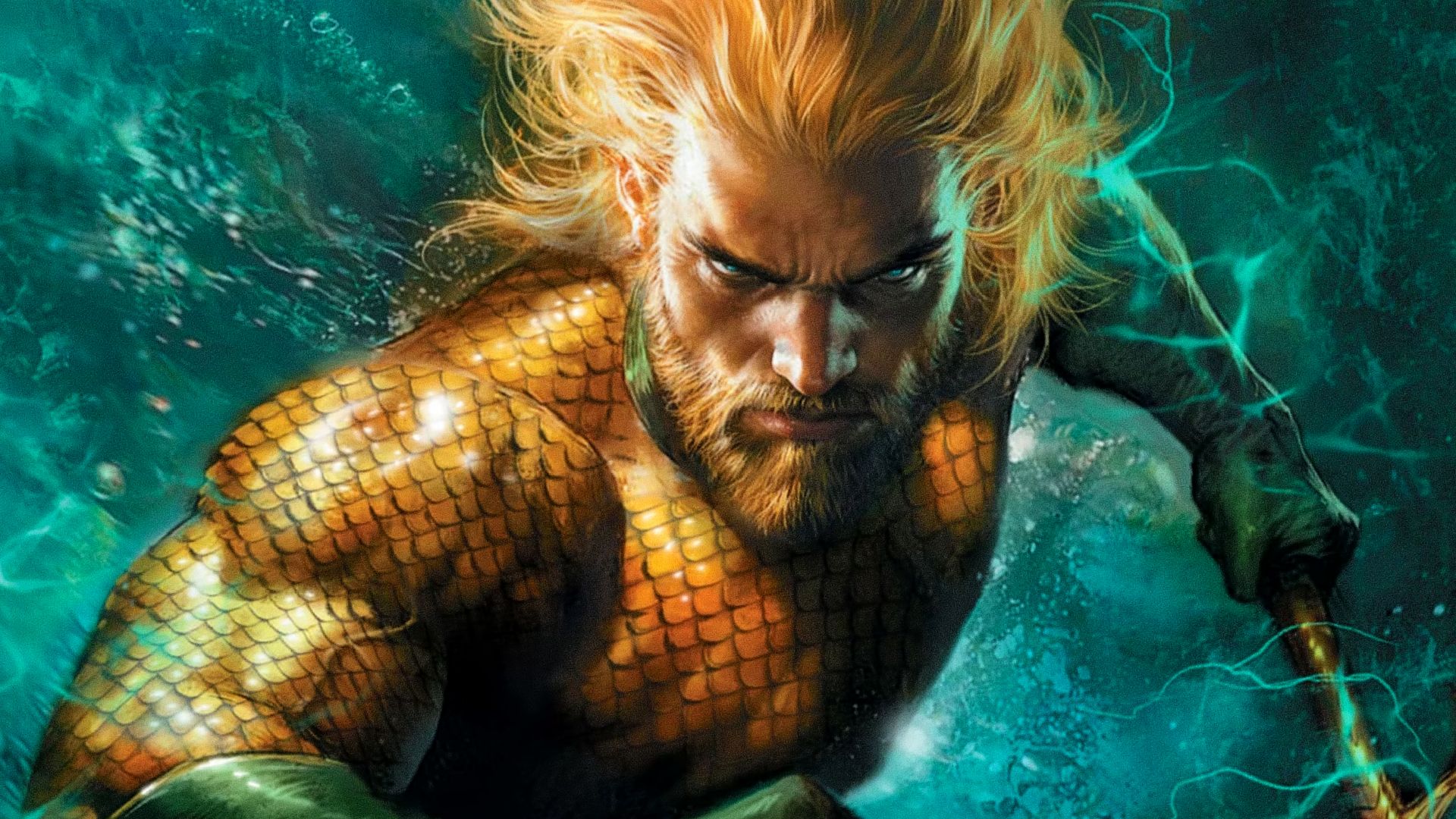
DC's Aquaman origin story has unveiled radical redesigns for Black Manta and King Shark, transforming these classic villains into viscerally realistic threats. The rebooted versions shed their comic book aesthetics for practical, grounded interpretations that signal James Wan's continued commitment to grounding the DC Universe in tangible horror and action.
Black Manta's redesign strips away the iconic helmet and suit to reveal a more tactical, militarized version of the character. The new look emphasizes psychological menace over visual bombast, positioning him as a calculated adversary rather than a costumed spectacle. King Shark undergoes an equally dramatic overhaul, transforming from a campy man-shark hybrid into a genuinely terrifying predator that blends practical effects with modern creature design.
This approach mirrors Wan's successful track record reframing underwater mythology for contemporary audiences. After 2018's "Aquaman" and 2023's "Aquaman and the Lost Kingdom," Wan has proven he can balance spectacle with character depth. The villain redesigns suggest the new origin story aims for psychological complexity and real-world stakes rather than relying on absurdist comic book aesthetics.
The timing reflects broader industry trends. Studios increasingly invest in villain redesigns that humanize or genuinely threaten protagonists rather than functioning as disposable obstacles. Recent DC films have leaned into this strategy, with characters like Dwayne Johnson's Black Adam and Zachary Levi's Shazam receiving grounded interpretations.
These redesigns also acknowledge shifting audience expectations. Modern superhero audiences respond to practical effects and tactile action sequences. The decision to make Black Manta and King Shark visually menacing rather than stylized positions them as worthy adversaries for an Aquaman stripped of camp and given dramatic weight.
The Aquaman franchise