Supergiant Games' Hades stands as one of the most critically acclaimed indie games of the past decade, and its narrative structure makes it ripe for television adaptation. The action roguelike combines stunning art direction, an exceptional soundtrack, and complex character development that rivals prestige dramas.
The game's setup naturally translates to episodic storytelling. Players control Zagreus, the son of Hades, as he attempts to escape the underworld and discover his true heritage. The writing mines Greek mythology for contemporary themes: family conflict, identity, forbidden romance, and self-discovery. Voice acting in the game features Darren Barnet, Courtenay Taylor, and Logan Cunningham delivering performances that carry genuine emotional weight.
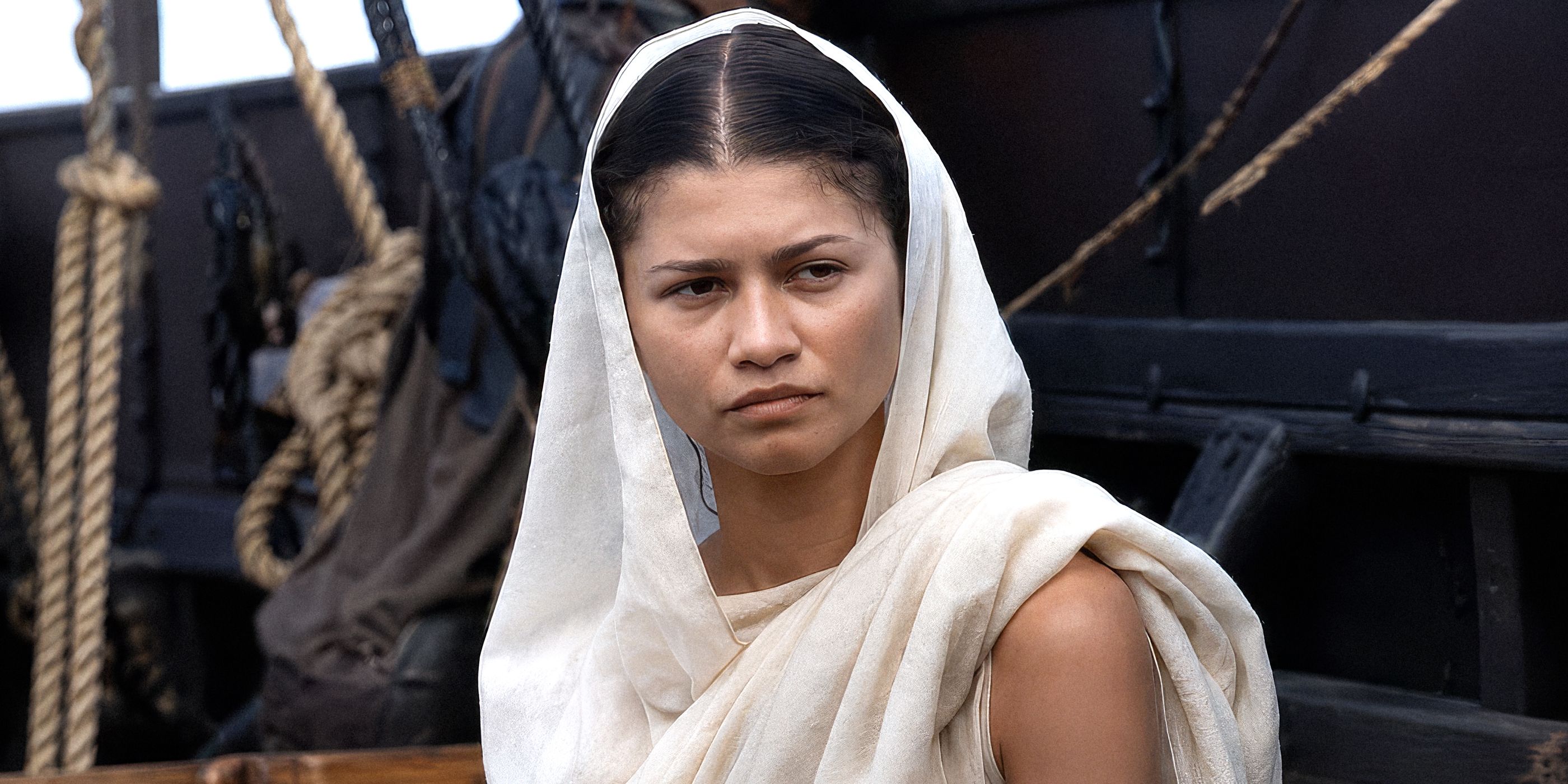
Apple TV Plus' The Odyssey adaptation demonstrates that mythological source material can captivate modern audiences without relying on big-budget spectacle alone. That series leans on character-driven storytelling and visual atmosphere, exactly what Hades demands. The game's hand-drawn aesthetic and color palette offer showrunners a distinct visual language that separates it from the glossy, overstuffed fantasy TV landscape.
Hades' roguelike mechanics presented a unique storytelling opportunity in gaming. Each escape attempt reveals new dialogue, relationships deepen through repeated encounters, and the narrative actually incorporates failure into its structure. A TV writer could adapt this iterative approach through non-linear storytelling, unreliable narration, or even anthology-adjacent episodes that explore different mythological figures.
The game's supporting cast offers ensemble depth. Megaera, the Fury who becomes increasingly complex as the story unfolds. Achilles, trapped in eternal training. Persephone, whose appearance reshapes everything. These characters have agency and backstory that extends beyond exposition.
Hades also benefits from a fanbase that's invested and vocal