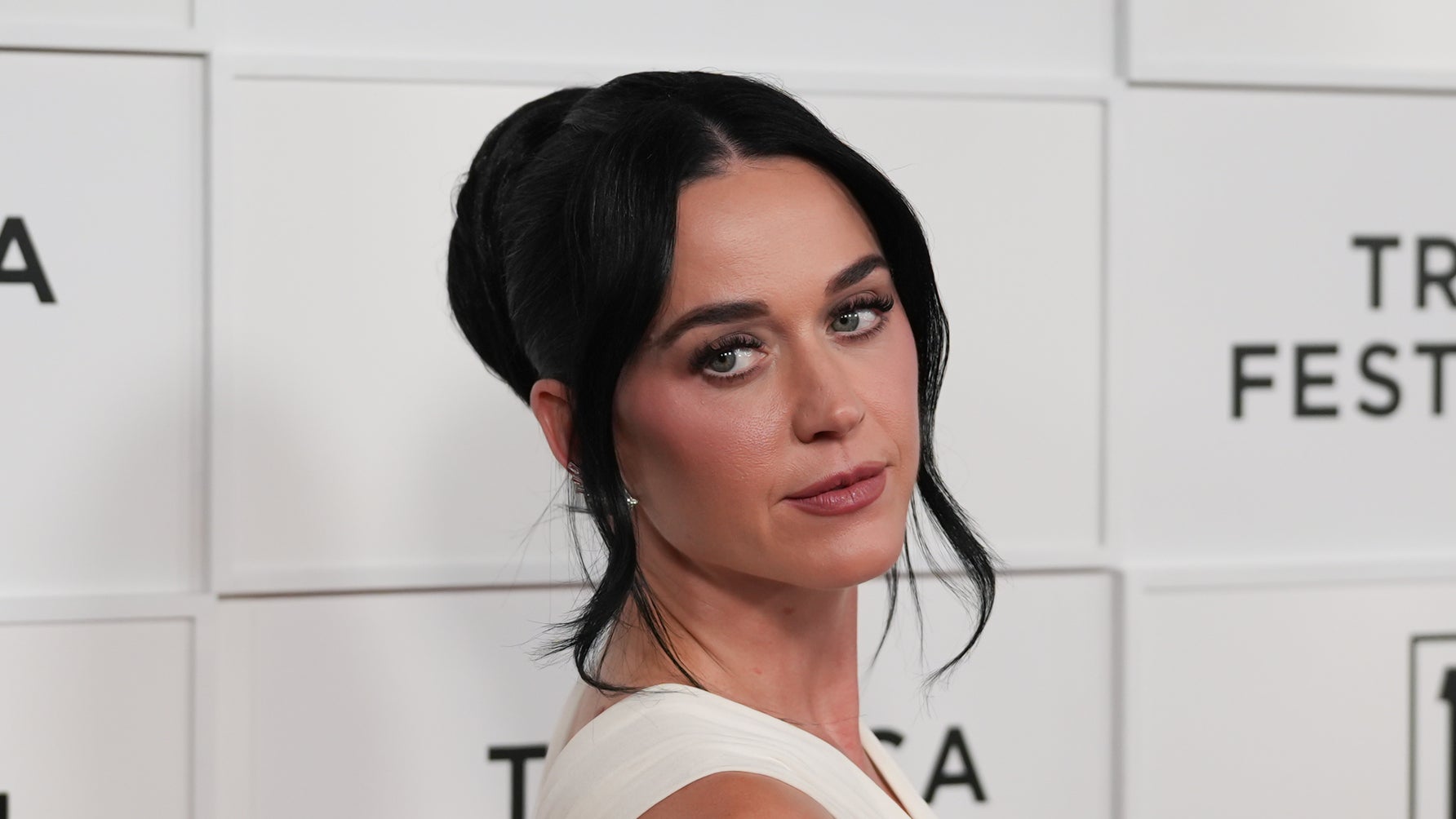
Katy Perry condemned the Trump administration for using her 2010 hit "Firework" in a promotional video about military strikes on Iran without her consent. The pop star called the usage a "complete violation" and stated she did not approve the decision.
Perry's objection centers on both legal and political grounds. The unauthorized use of her copyrighted song raises intellectual property concerns, but the controversy cuts deeper. Her track, one of her biggest commercial successes, became attached to military content in a way she explicitly rejected. The singer expressed being "appalled" by the pairing, which tied her uplifting pop anthem to geopolitical conflict.
This incident highlights ongoing tensions between recording artists and political figures over music licensing and usage rights. Artists retain control over how their work appears in public contexts, particularly those with political implications. Perry's swift public response demonstrates how creators view unauthorized political use as a breach of artistic autonomy.
The "Firework" controversy reflects broader debates about music in political messaging. Songs carry cultural weight beyond their original intent, and their deployment in new contexts can fundamentally alter public perception. Perry's brand identity centers on empowerment and positivity. Attaching "Firework" to military action contradicts that messaging.
The situation also underscores the gap between what government entities believe they can use and what copyright holders will tolerate. While background music licensing exists in various commercial contexts, explicit political use faces higher scrutiny from artists who care about brand alignment.
Perry joins a long line of musicians who have objected to political campaigns and administrations using their work. Previous artists including Neil Young, The Rolling Stones, and Tom Petty have issued cease-and-desist orders to politicians. The pattern shows artists increasingly willing to publicly defend their work from unwanted political association.
The incident serves as a reminder that music ownership extends beyond charts and streaming numbers. Artists maintain final say