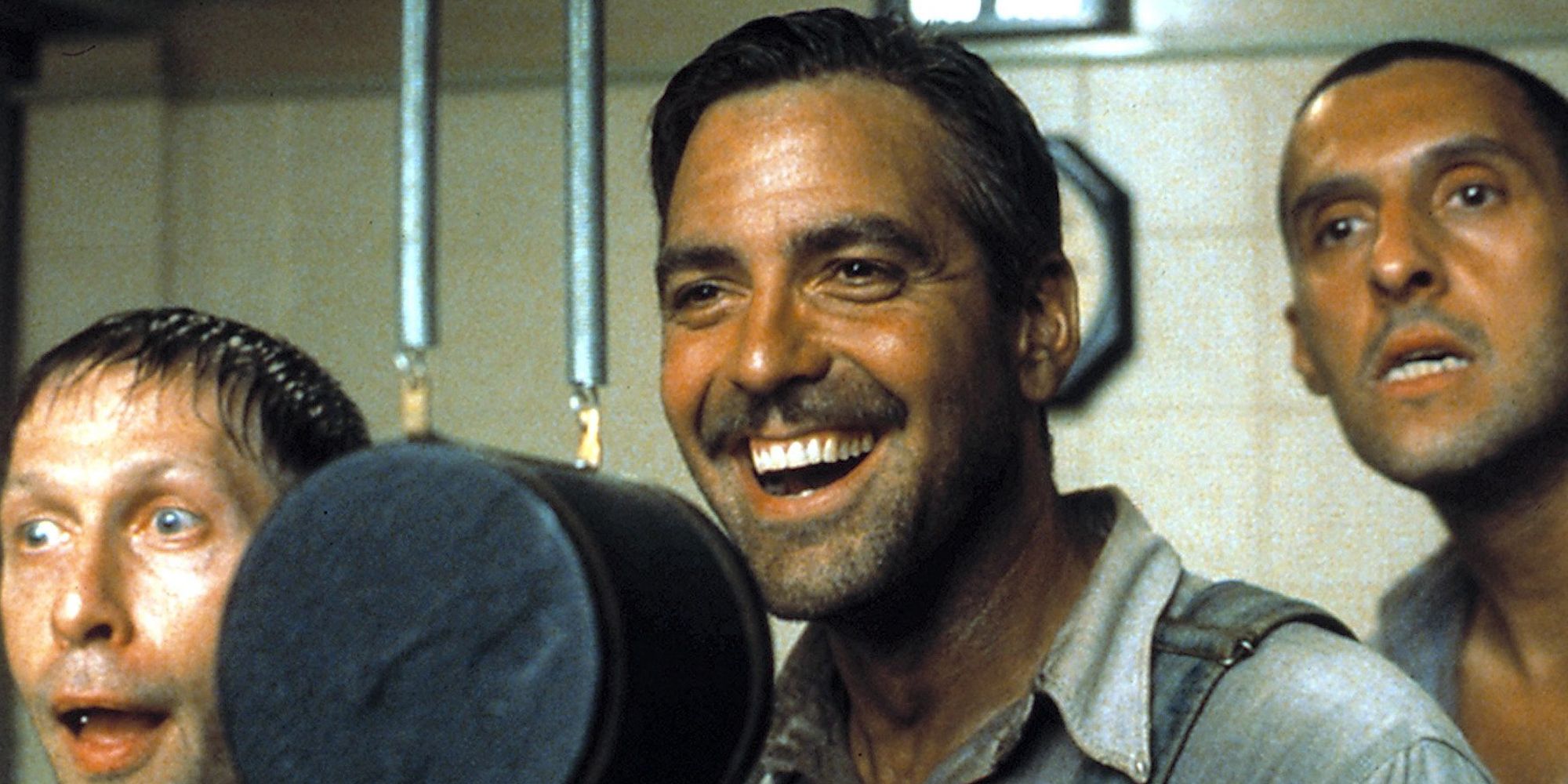
The Coen Brothers' "O Brother, Where Art Thou?" stands as one of cinema's most inventive Homeric adaptations, proving that fidelity to source material matters far less than capturing its spirit. Released in 2000, the film transplants Homer's epic journey to 1930s Mississippi, where three escaped convicts pursue a fabled treasure while encountering a gallery of archetypes that mirror the original myth. Joel and Ethan Coen transform the protagonist Odysseus into Ulysses Everett McGill, played with comic swagger by Tim Blake Nelson, a con man whose journey home becomes simultaneously hilarious and oddly moving.
What makes the film endure is its formal brilliance. The Coens embrace the Southern Gothic aesthetic through Roger Deakins' crisp cinematography, while T-Bone Burnett's bluegrass and folk soundtrack transforms the Odyssey's ritualistic language into American vernacular. Scenes like the Sirens seduction, the Cyclops encounter reframed as a Bible salesman, and the climactic flood all feel organically rooted in Depression-era Americana rather than imposed transplantations.
The film works as both faithful adaptation and independent achievement. Homer's themes about masculinity, redemption, and the cost of hubris remain intact, yet the Coens layer additional commentary about American myth-making, consumerism, and self-deception. When Everett obsesses over his pompadour, it reflects deeper anxieties about identity and status that resonate beyond the classical framework.
As Christopher Nolan prepares his own Odyssey interpretation, "O Brother" offers a masterclass in adaptation strategy. Rather than literal translation, the Coens demonstrate that transcribing ancient narratives demands creative confidence and stylistic specificity. The film doesn't reduce Homer to period piece or