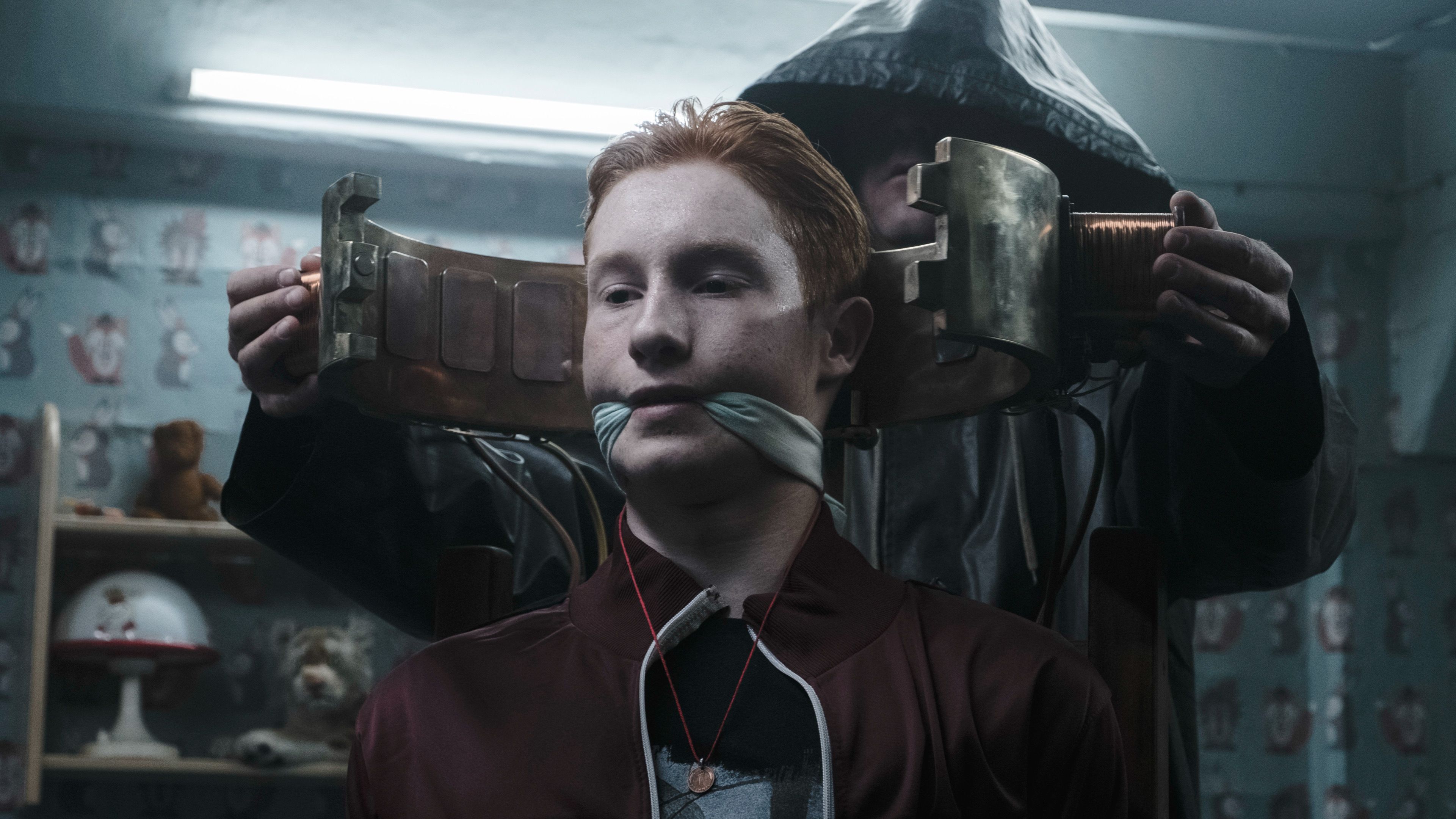
Netflix's "12 Monkeys" stands as an underrated time travel series that never achieved the cultural footprint of "Dark," despite matching that German phenomenon's narrative ambition and critical acclaim. The show maintained a perfect 100% Rotten Tomatoes score across its run, a rare feat that speaks to its consistent quality across all seasons before its premature cancellation.
The series, based on Terry Gilliam's 1995 film, follows Cole, a time-traveling operative sent back to prevent a catastrophic plague. The show expanded the film's core concept into complex mythology involving multiple timelines, fractured realities, and philosophical questions about fate versus free will. Showrunner Terry Matalas constructed serialized storytelling that rewarded devoted viewers but demanded their full attention across seasons.
Where "Dark" became a global phenomenon for Netflix, generating endless Reddit theories and mainstream cultural conversation, "12 Monkeys" remained a critic's darling that never broke through to mainstream audiences. The show possessed everything "Dark" had: intricate plotting, strong ensemble casts, production values that justified its budget, and thematic depth exploring humanity's relationship with time itself.
The cancellation after four seasons felt premature given the narrative momentum and unresolved threads. "Dark" received the breathing room to complete its vision across three seasons, allowing Netflix to market a finished story. "12 Monkeys" suffered from inconsistent promotion and scheduling that fragmented its audience across streaming.
The disparity reflects broader streaming industry patterns where critical success doesn't guarantee platform commitment. Netflix greenlit "Dark" from the beginning with clear international appeal, while "12 Monkeys" competed for attention amid the platform's expanding catalog. The show's Rotten Tomatoes perfection means nothing without audience discovery.
For those who discovered it, "12 Monkeys" delivered exactly what time travel