Adventure filmmaking has evolved dramatically over the past two decades, with studios pushing spectacle and practical effects to new frontiers. Collider's roundup highlights standout titles that define modern adventure cinema.
Mad Max: Fury Road stands as the genre's technical masterpiece. Director George Miller crafted a two-hour chase sequence across desert wastelands, prioritizing practical stunt work over CGI bloat. Tom Hardy and Charlize Theron anchor a narrative that moves at breakneck speed while maintaining emotional stakes. The 2015 film proved that adventure films could achieve both critical acclaim and box office success, earning ten Oscar nominations.
Peter Jackson's The Lord of the Rings trilogy, particularly The Return of the King, demonstrated that sprawling fantasy epics could dominate awards season. Released in 2003, the final installment swept the Academy Awards with eleven wins, legitimizing the adventure-fantasy genre for prestige audiences. Jackson's commitment to New Zealand locations and practical creature design established a template that influenced a generation of blockbuster filmmaking.
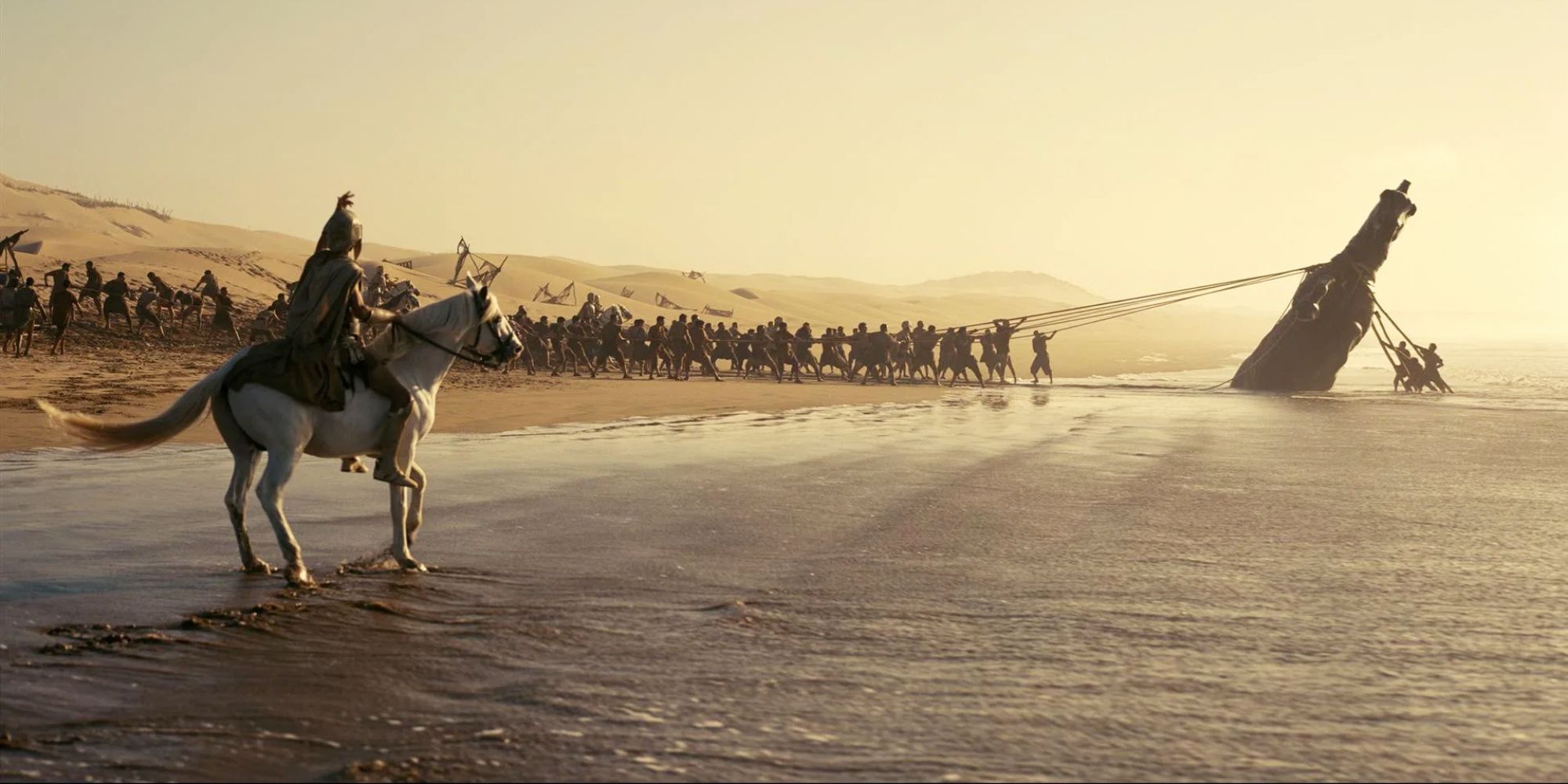
The Odyssey, another entry on the list, showcases how adventure narratives continue attracting serious filmmakers and audiences seeking immersive world-building rather than formulaic action beats.
These films share common DNA. They prioritize genuine location shooting, invest in character development alongside spectacle, and feature visionary directors willing to spend years in pre-production. They also emerged at different budget tiers, proving adventure stories work whether studios greenlight $100 million productions or mid-range offerings.
The adventure genre's post-2000 trajectory reflects broader industry shifts. Audiences rejected bloated CGI spectacles in favor of films balancing visual innovation with storytelling substance. Franchises like Indiana Jones and Uncharted attempted to mine nostalgia, but newcomers like Mad Max: Fury Road earned their cultural footprint through pure film