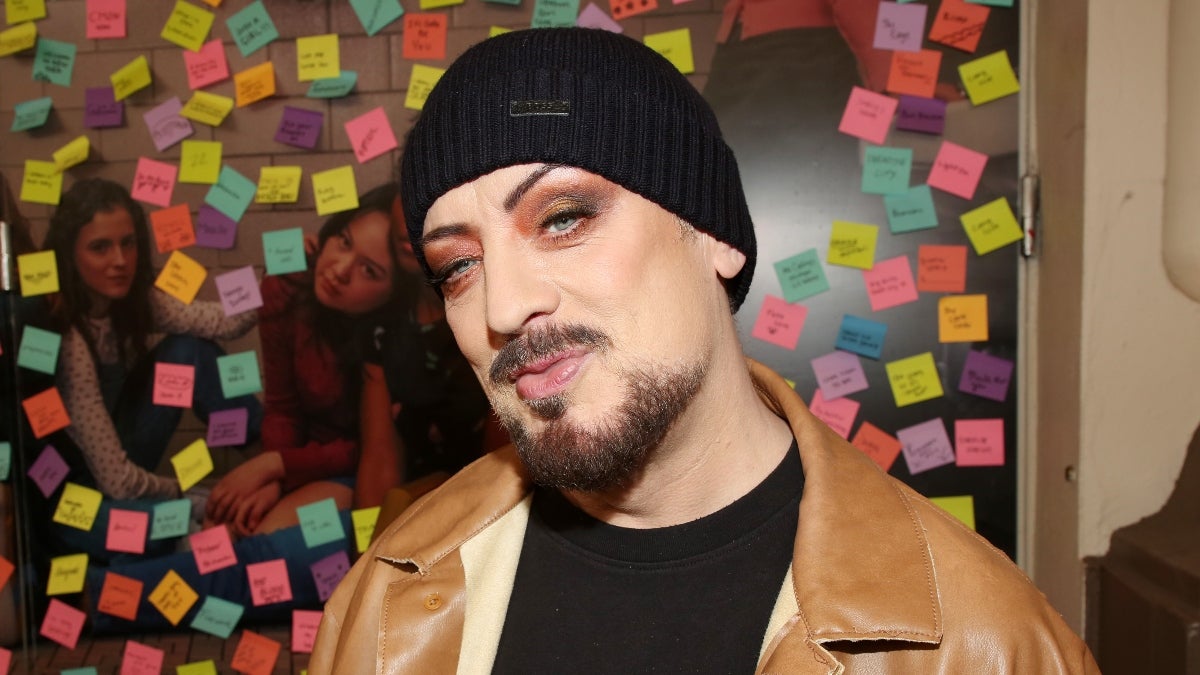
Boy George has withdrawn from a forthcoming production of "Jesus Christ Superstar" following backlash over an AI-generated song with pro-Israel messaging released under his name. The Culture Club frontman's manager released a statement indicating the decision prioritized both the artist's interests and respect for others affected by the controversy.
The incident centers on an unauthorized AI-generated track that surfaced online, created without Boy George's direct involvement. The song's political content and the use of artificial intelligence to simulate his voice ignited swift criticism from fans and observers who questioned the ethics of releasing political material under an artist's name without explicit consent.
Boy George's exit from the Andrew Lloyd Webber musical revival represents a significant shift in how entertainment figures navigate digital manipulation and political messaging. The move reflects growing industry concern over AI voice cloning technology and the potential for synthetic content to damage artist reputations or inject unwanted political statements into public discourse.
The "Jesus Christ Superstar" production, a perennial theater staple with a loyal fanbase, now faces the challenge of recasting the role Boy George was set to perform. His departure signals that artists increasingly view unauthorized AI content as disqualifying rather than dismissible as internet noise.
This incident underscores tensions between emerging AI technology, artist control, and the politicization of entertainment. As synthetic media becomes cheaper and easier to produce, the entertainment industry grapples with enforcement mechanisms to protect performers from having their likenesses weaponized for causes they don't endorse. Boy George's decision to step away establishes a precedent for actors and musicians facing similar situations where AI deepfakes or voice synthesis create unwanted political associations.