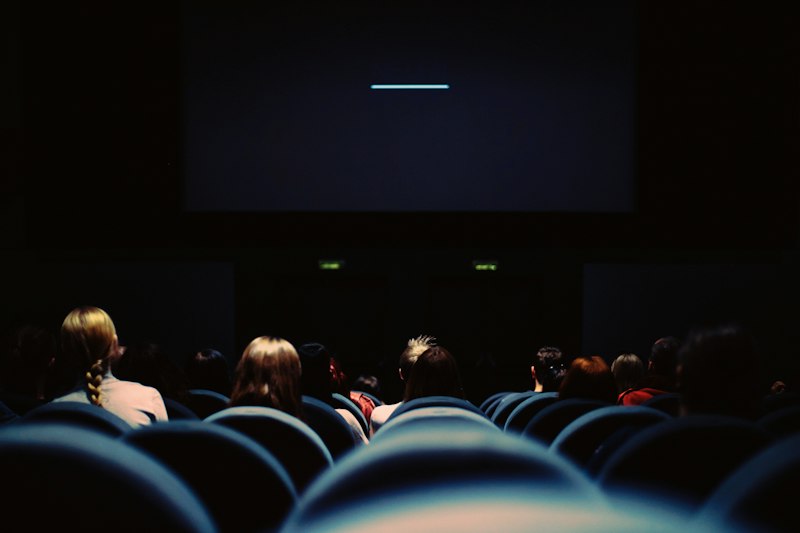
Here's what's broken about theatrical windows right now: nobody knows the rules anymore, and that uncertainty is bleeding box office revenue in ways the industry refuses to acknowledge.
We've all watched the industry convulse over the past few years. Streaming platforms demanded shorter windows. Exhibitors fought back. Studios tried to have it both ways. The result? A patchwork of conflicting release strategies that confuses audiences, weakens opening weekends, and ultimately leaves money on the table for everyone involved.
The studios want us to believe they're being innovative. They're not. They're just adding complexity to an already fractured system. Every new exception to the theatrical window rule creates another variable consumers have to track. Will this movie hit streaming in 45 days or 120 days? Will it get day-and-date hybrid releases? Will it premiere on a streaming service first, then go theatrical? The uncertainty itself becomes a form of marketing tax.
When audiences don't know when they can access content, they delay their decisions. They wait for announcements. They hedge their bets. This directly suppresses opening weekend performance. And when opening weekends soften, the entire theatrical ecosystem feels the impact, from exhibitors to distributors to the studios themselves.
The real winners in this mess won't be the studios that engineer the most sophisticated window strategies. They'll be the operators who actually simplify this chaos. They'll be the companies that pick a strategy, communicate it clearly, and stick with it consistently. Predictability has value. It always does.
Look at what happened with franchise tentpoles versus original content. The franchises maintained stronger holds because audiences knew what they were getting and when. Original films suffered disproportionately because viewers couldn't assess the theatrical value proposition. That's not coincidence. That's a direct result of windowing confusion compounding an already crowded marketplace.
The industry created this problem trying to solve the streaming crisis. Studios panicked when Netflix became a threat. They thought they could simultaneously serve theatrical audiences, streaming subscribers, and premium VOD renters by fragmenting their release calendars. Instead, they created a system where nobody gets optimized for anything.
Some exhibitors have tried to adapt by offering premium experiences, limited releases, and special events. That's smart theater operations. But they're working within a fundamentally broken distribution framework that no amount of operational excellence can fix. You can't polish a strategy that was designed by committee compromise rather than actual logic.
The theatrical window isn't dead. But it won't survive if the industry keeps treating it like a negotiating point rather than a commercial tool. Studios that want theatrical success need to make a choice: either commit to theatrical releases with clear, consistent windows, or move directly to hybrid models and stop pretending otherwise.
Half-measures hurt everyone. They muddy marketing messages. They confuse exhibitor planning. They frustrate consumers trying to decide where and when to experience films. And most importantly, they suppress the box office numbers the industry claims it wants to protect.
The path forward isn't more sophisticated windowing strategies. It's fewer of them. It's studios picking a model, explaining it clearly, and executing it consistently across their slate. Predictability builds trust. Trust builds attendance. Attendance builds box office.
The studios that figure this out will have a genuine advantage. Not because they found a clever loophole in distribution theory, but because they stopped creating unnecessary friction in the system. Simplicity isn't boring. It's competitive.