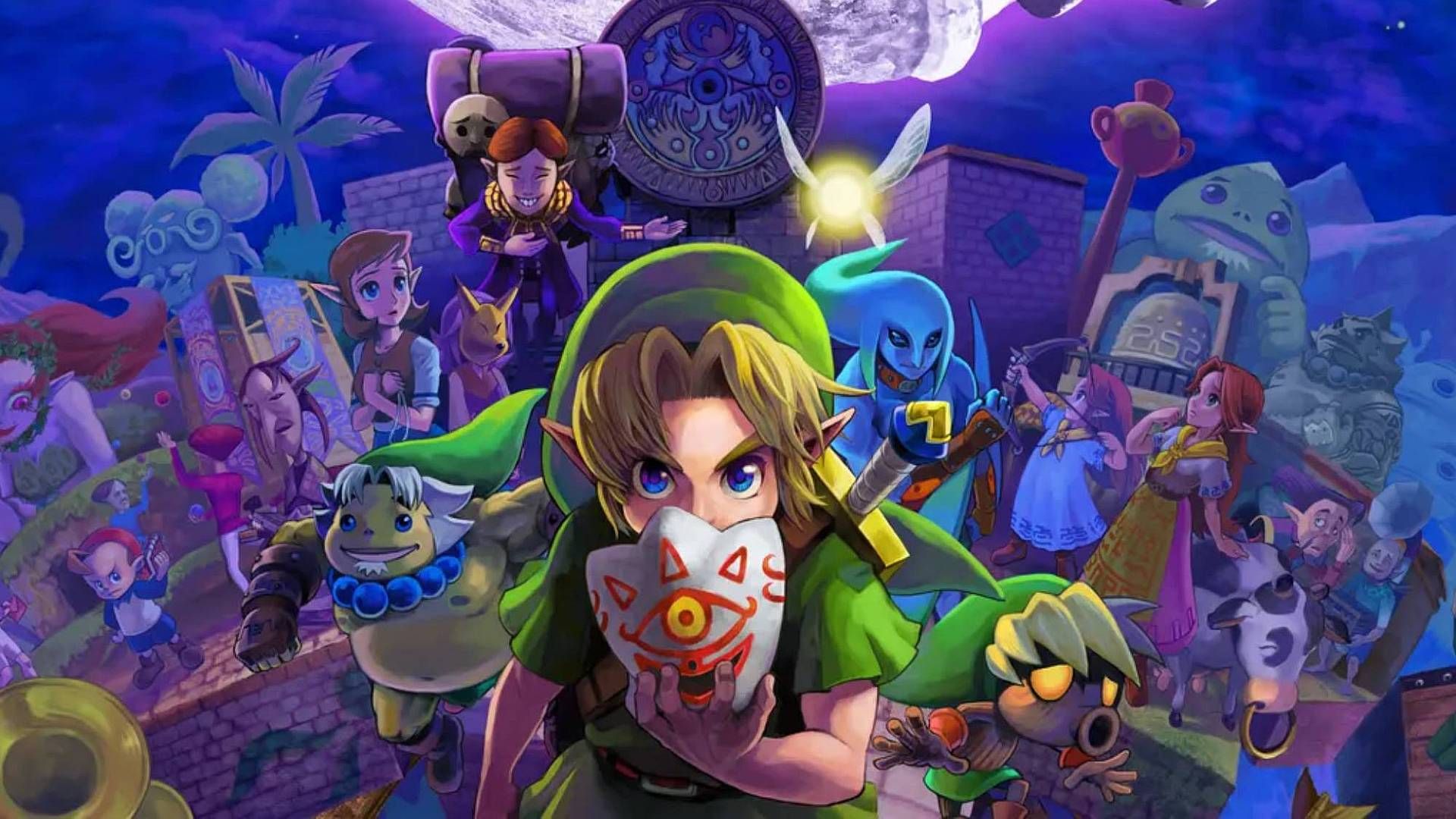
Nintendo's rumored Switch 2 remake of The Legend of Zelda: Majora's Mask has surfaced online, and it exposes a mounting industry problem that the gaming community can no longer overlook. The speculative remake, which has gained traction among fans, brings renewed attention to Nintendo's contentious approach to legacy content and preservation.
The core issue centers on Nintendo's aggressive stance toward fan-made projects and ROM distribution. The company has consistently taken down fan remakes, ROM hacks, and emulation content through cease-and-desist letters and DMCA takedowns, yet Nintendo itself rarely revisits older titles with official remakes or re-releases. This creates a frustrating paradox: passionate fans who want to experience or reimagine classic games face legal threats, while Nintendo sits on beloved properties like Majora's Mask without offering modern accessibility options.
Majora's Mask, originally released on Nintendo 64 in 2000, received a 3DS remake in 2015. Since then, the title has remained largely inaccessible on modern hardware outside of emulation. The absence of an official Switch release means fans either dust off aging consoles, navigate the 3DS's dwindling ecosystem, or resort to unofficial channels. Meanwhile, Nintendo's own remake efforts have been selective and infrequent compared to competitor studios like Square Enix, which routinely revitalizes classic franchises.
The Switch 2 remake speculation highlights what many view as gatekeeping behavior. Nintendo protects intellectual property aggressively yet doesn't provide legitimate avenues for fans to engage with that property. Other publishers have embraced preservation and remake culture more openly, recognizing both commercial opportunity and goodwill within gaming communities.
For Nintendo, the issue runs deeper than one missing remake. It speaks to a broader philosophy where the company prioritizes control over access, legacy