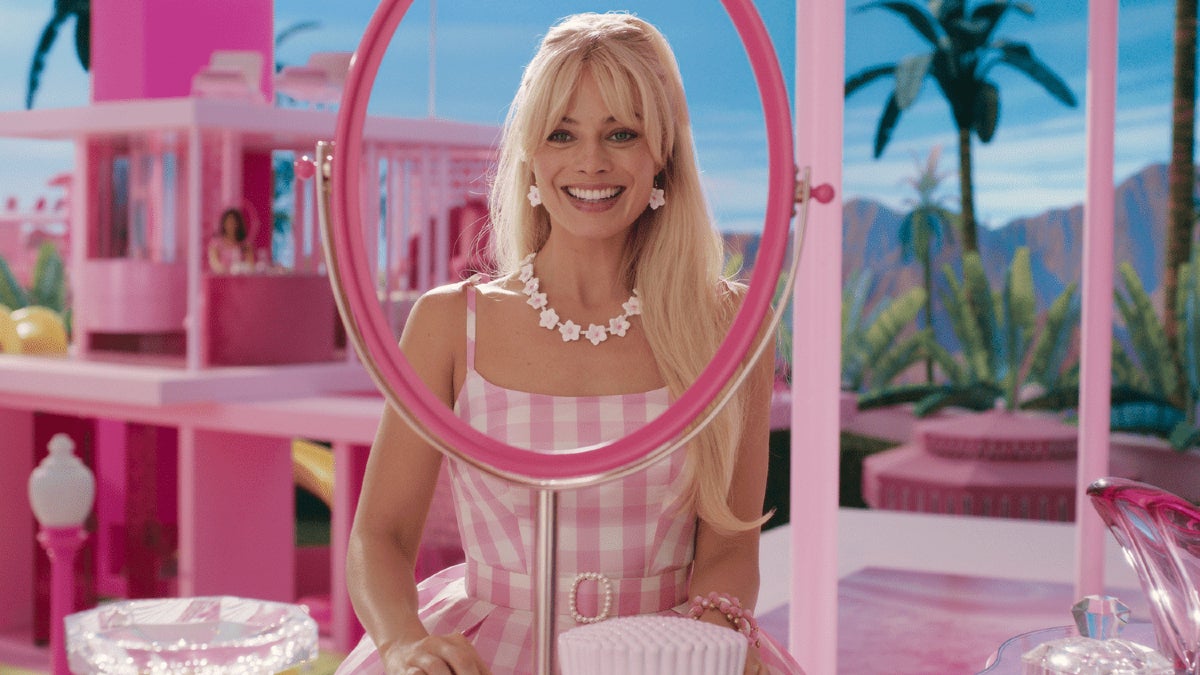
Warner Bros. faces a December deadline to secure a Barbie sequel as contract negotiations with stars Margot Robbie and Ryan Gosling stall. The studio must finalize deals with the leads and director Greta Gerwig before rights revert to Mattel, the toy manufacturer behind the franchise.
The 2023 Barbie film became a cultural and commercial juggernaut, grossing over $1 billion globally and establishing Gerwig as a major blockbuster director. Robbie played the titular doll while Gosling delivered an scene-stealing turn as Ken. Their chemistry and the film's sharp satire of gender politics resonated with audiences across demographics, making a follow-up an obvious studio priority.
Contract disputes typically involve salary demands, creative control, and profit participation. With Barbie's massive success, both Robbie and Gosling have substantial leverage. Gerwig, who co-wrote and directed the original, holds creative authority over any sequel's direction. Her participation signals whether WB can maintain the film's satirical edge and commercial appeal.
The December cutoff creates urgency. If negotiations collapse, Mattel regains control of the property and could shop it elsewhere or develop it independently. This scenario would represent a major loss for Warner Bros., which profited enormously from Barbie's theatrical run and streaming revenue potential.
Studios face pressure to greenlight sequels to proven hits, but star power comes at a cost. Robbie's production company LuckyChap Entertainment produced Barbie, giving her additional negotiating power. Gosling's Ken was unexpectedly central to the film's success, elevating his asking price for a return.
The stalled negotiations reflect broader Hollywood dynamics. A-list talent now commands substantial compensation on successful franchises, while studios balance profitability against escalating costs. WB must we