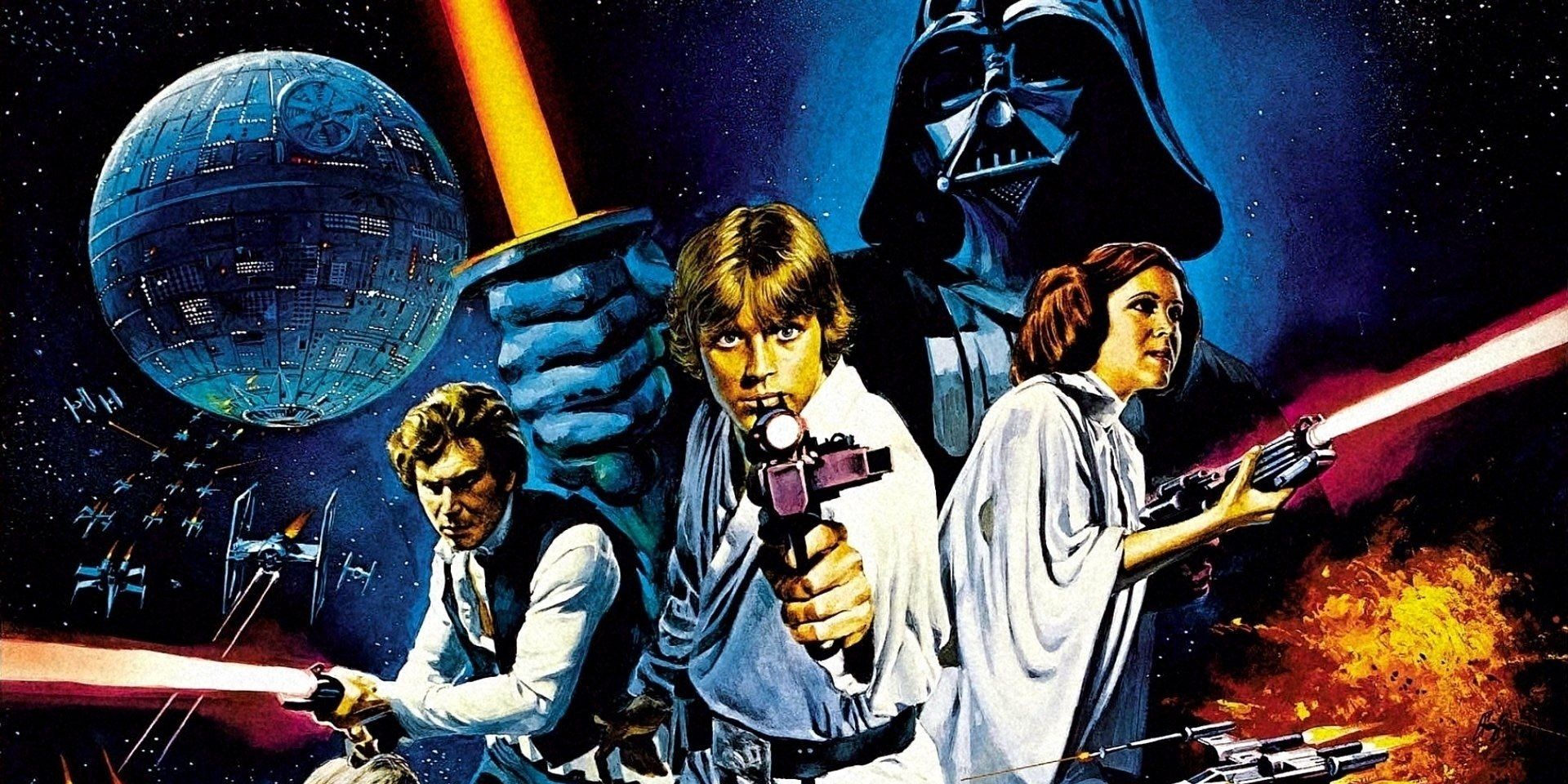
Dungeons & Dragons enters a new era of intellectual property crossovers with the official announcement of a Star Wars collaboration under its Universes Beyond initiative. The expansion strategy pairs D&D with massive gaming and entertainment franchises, specifically naming World of Warcraft alongside the galaxy far, far away.
Universes Beyond represents D&D's pivot toward licensed content that lets players explore familiar worlds through the tabletop RPG's mechanics. The Star Wars partnership marks a significant play for the trading card and board game publisher Wizards of the Coast, granting players access to iconic Star Wars characters, settings, and storylines within D&D's ruleset. This follows successful Universes Beyond releases tied to properties like The Lord of the Rings and Warhammer 40,000, demonstrating that players hunger for crossover experiences beyond traditional fantasy settings.
The World of Warcraft collaboration deepens Blizzard's entertainment footprint beyond its digital game. Both partnerships suggest Wizards is doubling down on converting established fanbases into D&D players rather than chasing exclusively new audiences. Each property brings its own devoted audience, and the crossovers create natural on-ramps for Star Wars devotees unfamiliar with tabletop gaming or Warcraft players seeking different ways to engage with Azeroth.
These announcements reflect broader trends in entertainment where franchise synergy drives strategy. Disney owns Star Wars, and licensing it to D&D signals confidence in the tabletop gaming space as a growth category. The card game and accessories attached to these collaborations generate significant revenue streams separate from digital gaming or film.
Exact release dates, card designs, and specific mechanics remain unannounced, but the crossovers position D&D as the connective tissue between disparate entertainment universes. Players can expect both themed card sets and potentially board game content that pulls these worlds into the