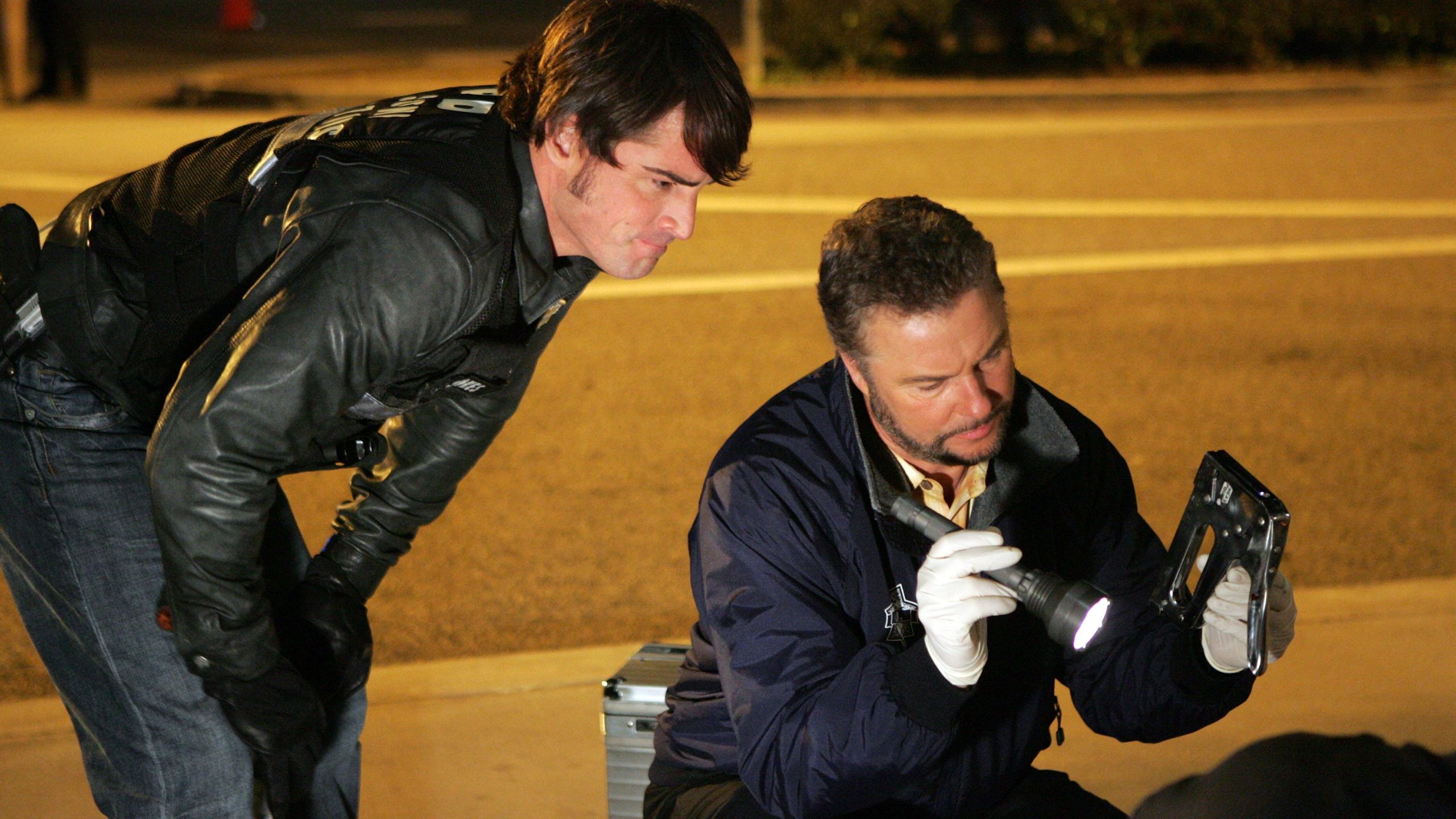
CSI's season 11 episode "Sqweegel" continues to haunt viewers more than a decade and a half after its original air date. The episode centers on a contortionist killer whose flexibility becomes both his weapon and his calling card, forcing the Las Vegas forensics team into one of their most disturbing cases.
The episode's staying power reflects CSI's peak years as a procedural powerhouse. When the show aired on CBS, it dominated ratings by combining technical detail with sensational crime scenarios that pushed broadcast television's boundaries. "Sqweegel" exemplified this formula at its most extreme, using the killer's contortionist abilities to create visceral, body-horror elements that transcended typical network television constraints.
What made the episode resonate was its commitment to psychological unease over simple shock value. The killer's use of his contorted form as part of his murders created a unique visual language for the crime scenes that investigators encountered. This specificity gave the episode texture beyond standard procedural beats.
CSI ran for 15 seasons starting in 2000, becoming a cultural phenomenon that spawned multiple spinoffs and influenced how audiences consumed crime television. The show's forensic focus attracted viewers hungry for technical detail wrapped in salacious storytelling. Episodes like "Sqweegel" proved the formula worked when writers committed fully to unsettling premises.
The episode's longevity in cultural memory speaks to broader shifts in television. Modern audiences consume procedurals through streaming, where traditional broadcast standards no longer apply. Yet "Sqweegel" achieved its disturbing reputation on network television, suggesting the episode's creativity and focus mattered more than production resources.
CSI's revival through a 2021 reboot proved the franchise still held appeal, though critics noted the new version struggled to capture what made the original compelling. That original run, however, left episodes like "Sqweegel