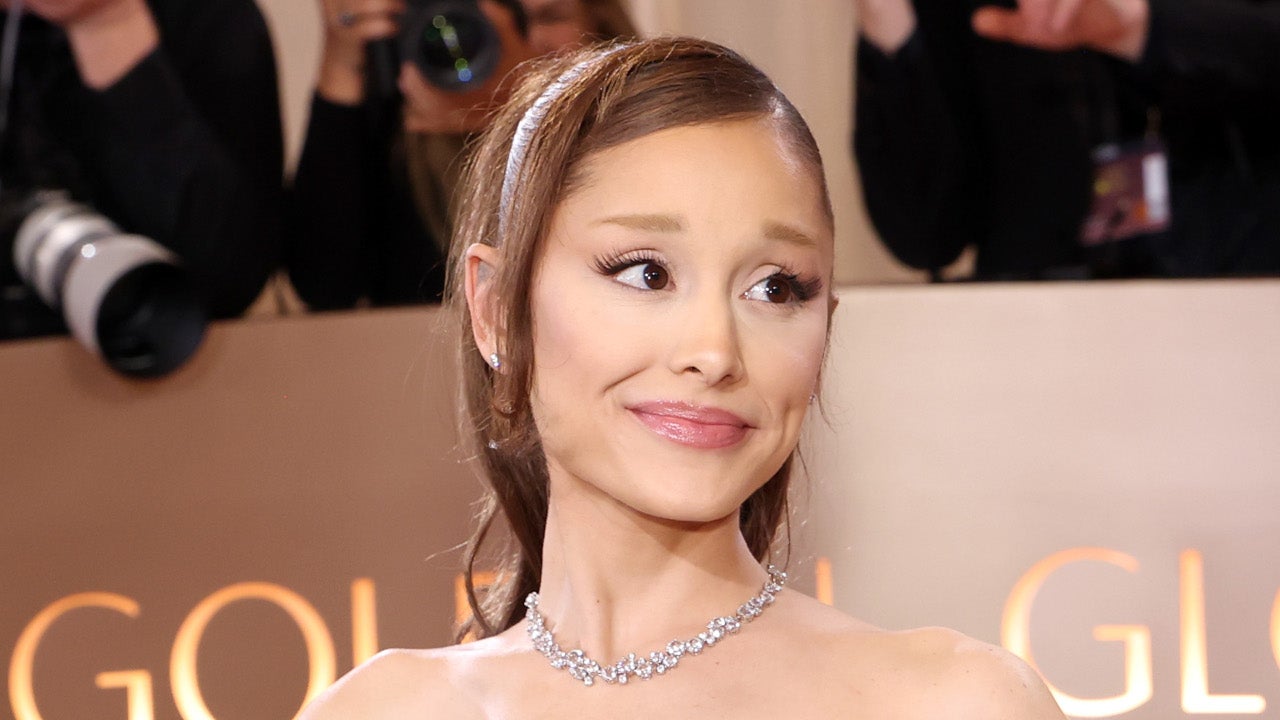
Ariana Grande announced she's stepping back from the public eye, citing relentless media scrutiny and exhaustion from constant attention. The pop superstar revealed the decision through a statement addressing what she described as "endless, ongoing public scrutiny."
The move carries immediate professional consequences. Grande is exiting her role in the West End revival of Stephen Sondheim's "Sunday in the Park With George," marking her exit from the London stage production. Her departure from the musical signals a significant shift in her willingness to maintain high-profile commitments while managing her mental health.
This announcement lands amid a period of intense tabloid focus on Grande's personal life and public behavior. The singer has faced consistent media coverage and social commentary surrounding her relationships, appearance, and career decisions. Her decision to retreat from visibility reflects a broader pattern among A-list celebrities seeking respite from the relentless cycle of paparazzi attention and online commentary.
Grande's Broadway-to-West End pivot represented a bold artistic venture, demonstrating her commitment to theater work beyond the musical "Hairspray" and her role in the upcoming "Wicked" film adaptation. The "Thank U, Next" hitmaker's withdrawal from "Sunday in the Park With George" removes a marquee name from London's West End during a period when theaters have sought major stars to drive ticket sales.
The statement positions her decision as protective rather than punitive. Grande frames the step back as necessary for personal wellbeing, not as a rejection of performing or public engagement. This reflects evolving conversations in entertainment about celebrity mental health and the toll of perpetual visibility.
Her absence from visibility likely includes reduced social media presence and fewer public appearances, a stark contrast to her typically active engagement with fans across platforms. Whether the hiatus proves temporary or signals a longer-term recalibration of her public presence remains unclear. The decision underscores how even at