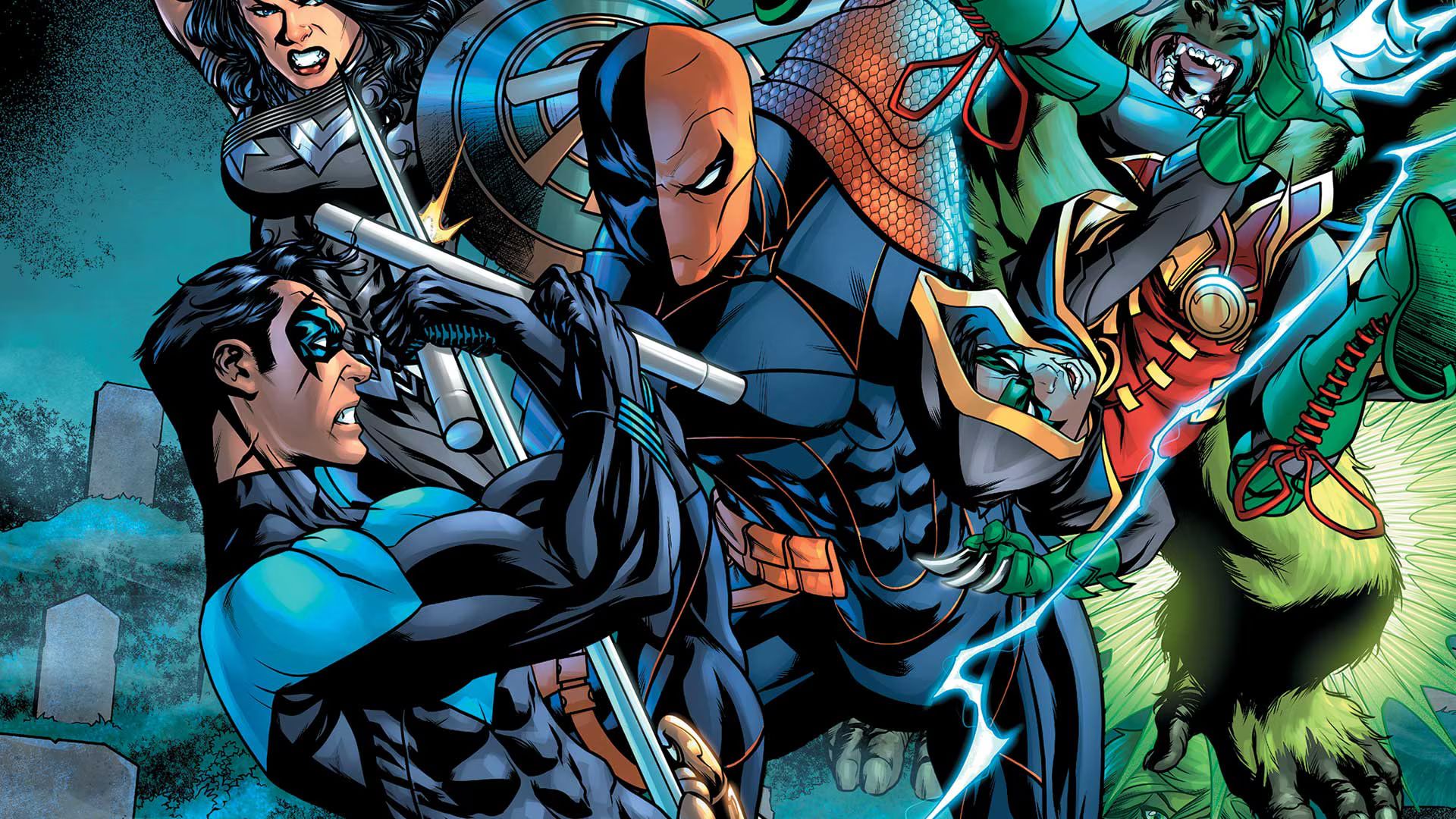
DC Comics has permanently killed off a longstanding member of the Teen Titans, ending a character arc that has spanned three and a half decades. The decision marks a significant shift in the publisher's approach to one of its most enduring superhero ensembles.
The Teen Titans franchise has been a cornerstone of DC's publishing strategy since the early 1960s, launching multiple hit TV adaptations including the beloved 2003 animated series and the more recent live-action "Titans" on Max. The team has cycled through dozens of members over the years, but certain characters have maintained cultural staying power across generations of readers and viewers.
This particular death represents a narrative choice that DC editors clearly felt needed permanent weight. Rather than the typical comic book resurrection that occurs within months or years, the publisher appears committed to keeping this character deceased. The move likely signals a creative reset for the franchise, potentially opening space for newer heroes to step into leadership roles within the team's dynamic.
The decision arrives as DC navigates a broader industry landscape where legacy characters and generational turnover dominate storylines. Marvel's successful handling of character deaths and replacements in properties like Spider-Man and Captain America has set expectations for how publishers can manage long-term character arcs. DC has increasingly leaned into consequential deaths over the past decade, using fatality as a way to generate reader engagement and reshape team compositions.
Fans invested in the Teen Titans across decades of comics, animated series, and video games will likely have strong reactions to this development. The character's death could either energize the fanbase with fresh storytelling possibilities or provoke backlash from longtime supporters. Either way, the permanence of this decision distinguishes it from typical comic book storytelling, where death functions more as a temporary plot device than an actual ending.