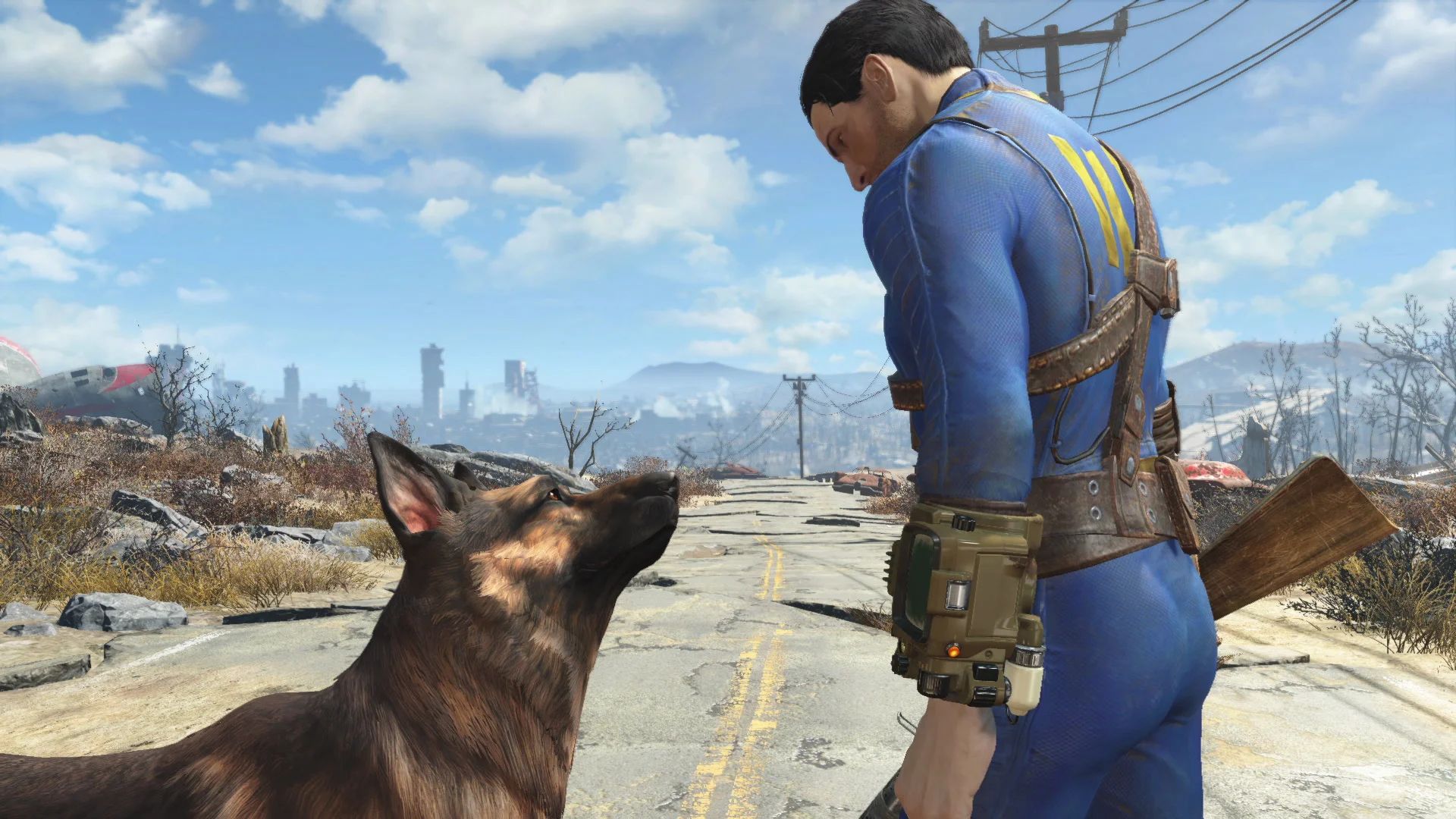
Bethesda's Fallout 4 has spawned a remarkable creative transformation through modding. The post-apocalyptic RPG now operates as a fully functional real-time strategy game, courtesy of dedicated fans who stripped away the first-person shooter mechanics and rebuilt the experience from the ground up.
This isn't a simple gameplay tweak. Modders have implemented top-down perspective controls, base management systems, unit commanding interfaces, and resource management mechanics that mirror entries like StarCraft or Company of Heroes. Players construct settlements, deploy radiation-suited troops, manage supply lines, and execute tactical combat scenarios without ever zooming into a character's perspective.
The mod community has leveraged Fallout 4's already robust settlement system as a foundation, transforming it into something Bethesda never intended. What was secondary content in the original game now drives the entire experience. The Commonwealth becomes a strategic battlefield where players plan fortifications, research technologies, and coordinate faction warfare rather than wandering as the Sole Survivor.
This creative pivot highlights modding's power to fundamentally reimagine established properties. Fallout 4 launched in 2015 to commercial success but faced criticism for streamlining its RPG mechanics compared to Fallout: New Vegas. The modding community has spent years restoring depth the vanilla game lacked while simultaneously exploring genre-bending possibilities like this RTS conversion.
Bethesda's Creation Kit enabled this transformation, providing tools that turned hobbyist enthusiasts into designers. The modded version demands strategic thinking over action reflexes, completely inverting Fallout 4's combat philosophy.
This phenomenon reflects broader trends in gaming. The PC modding scene continues proving that games possess far greater potential than their original design scope. Fallout 4 now exists simultaneously as a shooter, an RPG, a settlement simulator, and a strategy game depending on