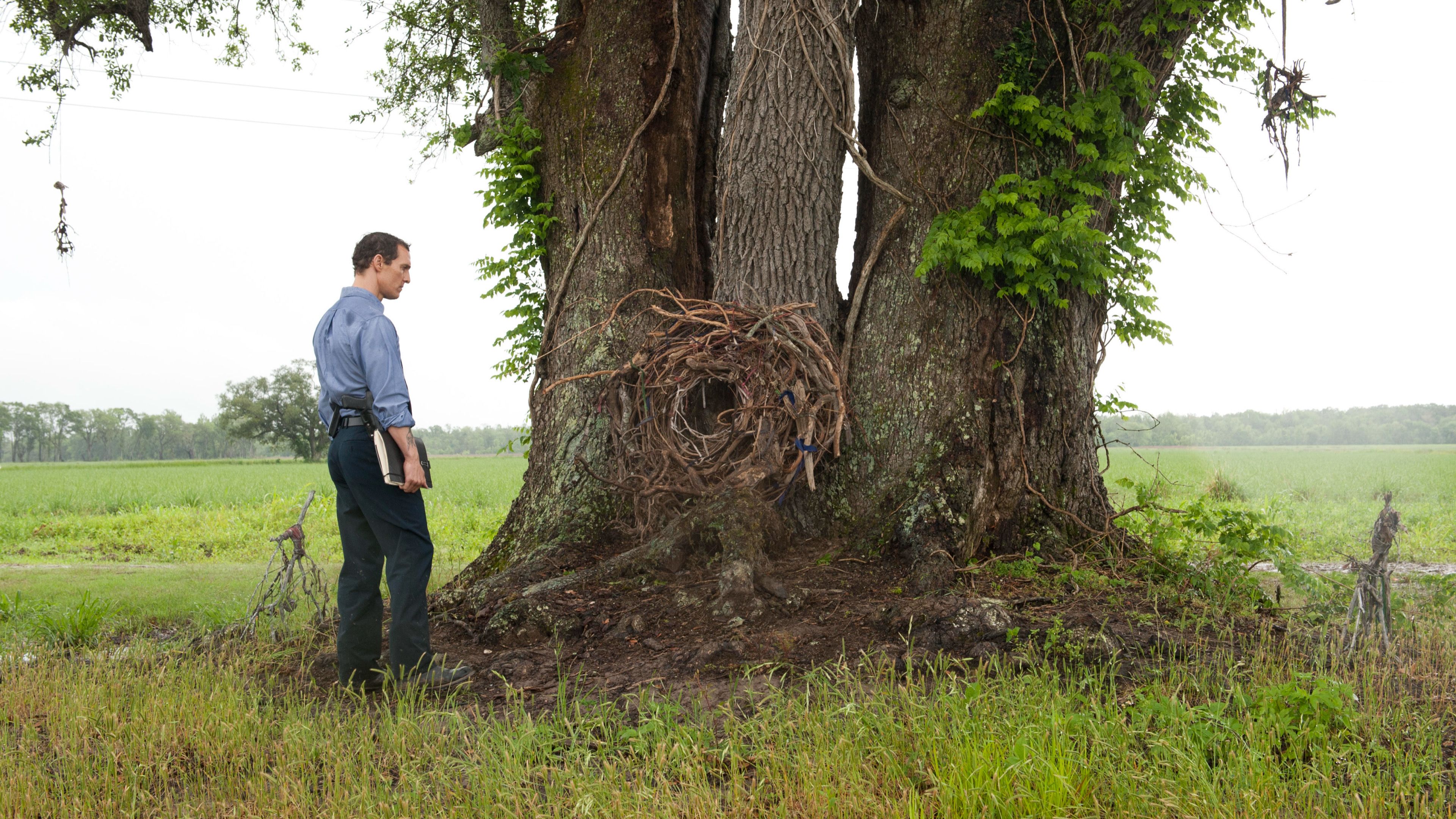
HBO's crime thriller anthology series has cracked a formula that few shows attempt. By fusing the cosmic dread of H.P. Lovecraft's horror mythology with Haruki Murakami's dreamlike existentialism, the eight-episode run creates something that transcends typical procedural television.
The Lovecraftian influence manifests through an oppressive sense of forces beyond human comprehension. Characters confront mysteries that resist rational explanation, much like Lovecraft's protagonists discovering truths their minds struggle to process. This existential horror doesn't rely on jump scares or gore. Instead, it builds psychological unease through atmosphere and the slow revelation that answers may not exist.
Murakami's fingerprints appear in the show's narrative structure and tone. The series embraces surreal detours and nonlinear storytelling. Dialogue often circles back on itself. Characters operate in states of dissociation and emotional numbness while chasing resolution. The pacing allows for meditative sequences where nothing happens in traditional plot terms, yet tension mounts through sheer weirdness and dislocation.
What elevates this approach is HBO's commitment to the structure. Eight episodes provides enough room to develop both the crime narrative and the metaphysical dimensions without rushing. The network's prestige drama DNA means serious directors and cinematography elevate material that lesser platforms might treat as genre exercise.
The synthesis works because both Lovecraft and Murakami share core DNA. Both writers understand that mystery's power comes from what remains unknowable. Both create worlds where characters search for meaning in fundamentally indifferent universes. A detective investigating a crime becomes a stand-in for humanity's futile attempt to impose order on chaos.
This approach differentiates the show from typical HBO crime dramas like True Detective or Mare of Easttown, which lean into regional specificity and character trauma.