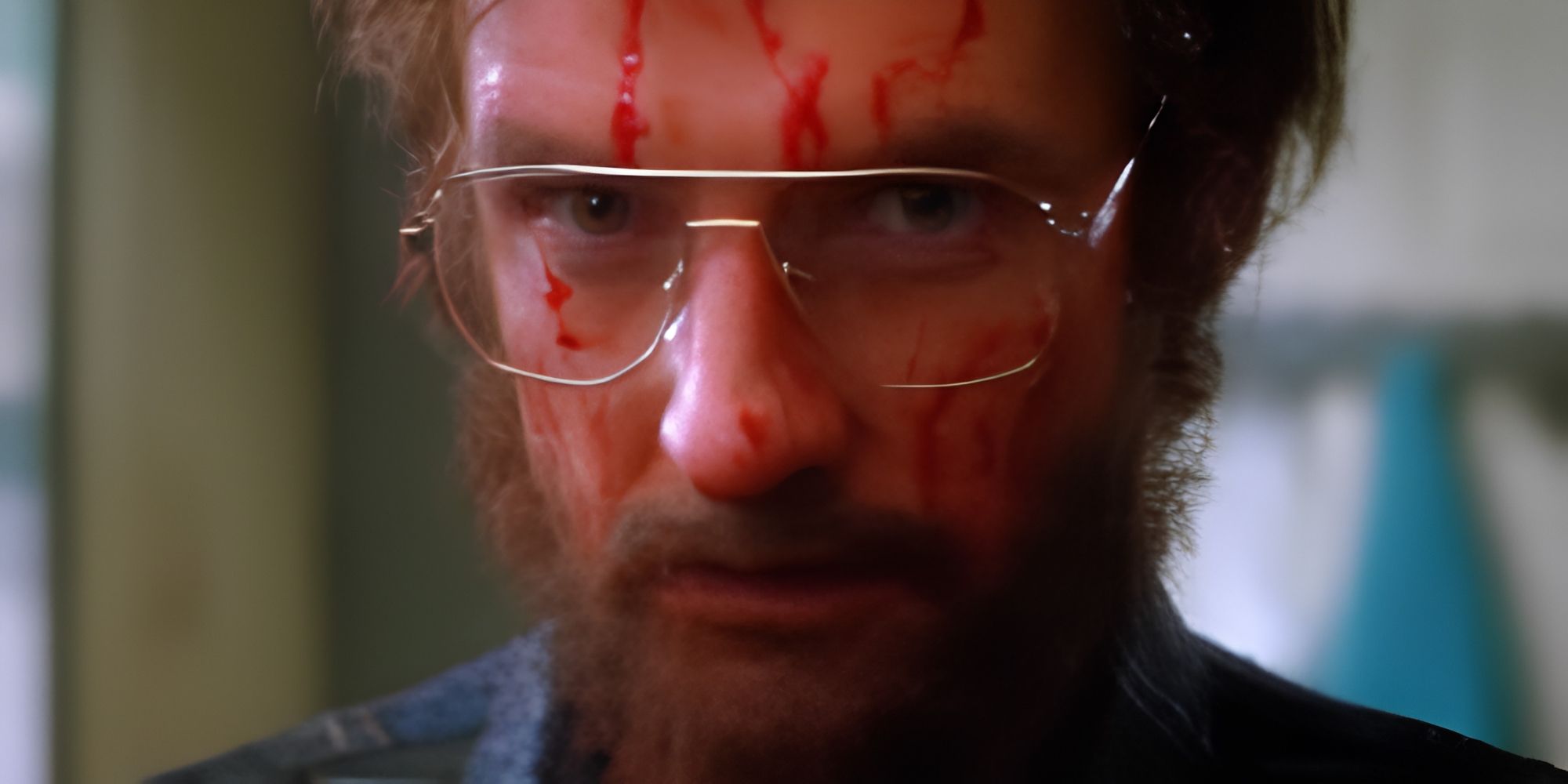
Joseph Ruben's "The Stepfather" (1987) finds new life on Tubi, the ad-supported streaming platform, where Stephen King's endorsement gives the psychological thriller fresh relevance among genre fans seeking underrated classics.
King's passionate championing of the film speaks to its craftsmanship and creeping dread. Terry O'Quinn delivers a career-defining performance as Jerry Blake, a seemingly perfect stepfather hiding a deeply fractured psyche beneath suburban charm. The role became O'Quinn's signature work before his later fame on "Lost," showcasing his uncanny ability to project menace through calculated normalcy.
"The Stepfather" explores the American nuclear family as a potential trap, a concept that resonated with King's own preoccupations with ordinary people confronting extraordinary darkness. The film's psychological approach sidesteps slasher cliches, instead building tension through character study and domestic claustrophobia. Ruben treats the material with intelligence, understanding that the real horror emerges from Blake's fractured identity and obsession with molding the "perfect" family.
The film's rediscovery on Tubi matters for contemporary audiences fatigued by elevated horror's current prevalence. While films like "Hereditary" and "Midsommar" command critical discourse, "The Stepfather" offers a different breed of terror rooted in relatable spaces. Tubi's free tier removes barriers to access, making King's recommendation actionable for streamers browsing for recommendations.
O'Quinn's performance carries particular weight today. His portrayal of unstable masculinity masquerading as domesticity finds parallels in modern discourse around male violence and toxic household dynamics. The film doesn't preach these themes but embeds them naturally within its narrative structure.
King's endorsement carries weight in horror circles. His taste validates unconventional