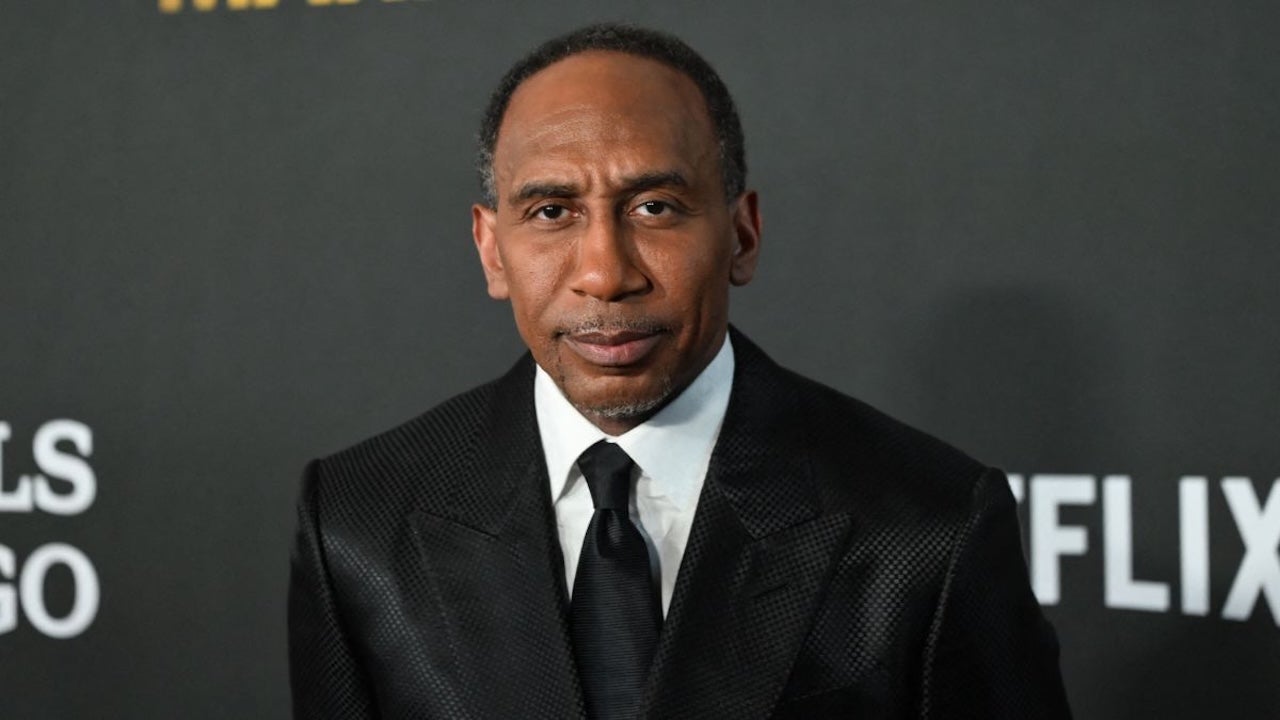
ESPN's Stephen A. Smith fired back at the National Association of Black Journalists after receiving a "thumbs down" award at their recent convention, warning the organization will "regret" the move. Smith, one of sports media's most prominent voices, doubled down on his on-air persona during a Fox News interview, declaring that the criticism only strengthens his resolve.
The NABJ's decision to give Smith a negative award stung the analyst, but he refused to back down from his bombastic style. "Nobody is going to intimidate me from being who I am," Smith said, signaling that he views the organization's critique as an attempt to silence his voice. Rather than soften his approach, Smith suggests the pushback has made him more committed to his brand of aggressive commentary.
This incident reflects broader tensions within sports media around tone, representation, and journalistic standards. Smith has built his career on confrontational takes and passionate monologues that generate massive viewership on "First Take" and other ESPN platforms. His willingness to engage controversial figures and topics has made him essential to the network's identity, even as media watchdogs occasionally question whether his style prioritizes entertainment over substance.
The NABJ's award likely targeted Smith's approach to journalism itself. Professional organizations sometimes use humor and symbolic recognition to critique media figures they believe prioritize spectacle over accountability. However, Smith's response suggests he views such criticism as an attack on his right to express himself authentically, rather than a legitimate journalistic concern.
For ESPN, Smith remains untouchable. His star power generates advertising revenue and social media engagement that few analysts can match. The network has consistently backed him through controversies, making clear that his controversial persona is an asset, not a liability. Smith's defiant stance toward NABJ underscores this dynamic. He operates in a media ecosystem where bold personality trumps traditional journalistic restraint, and he clearly