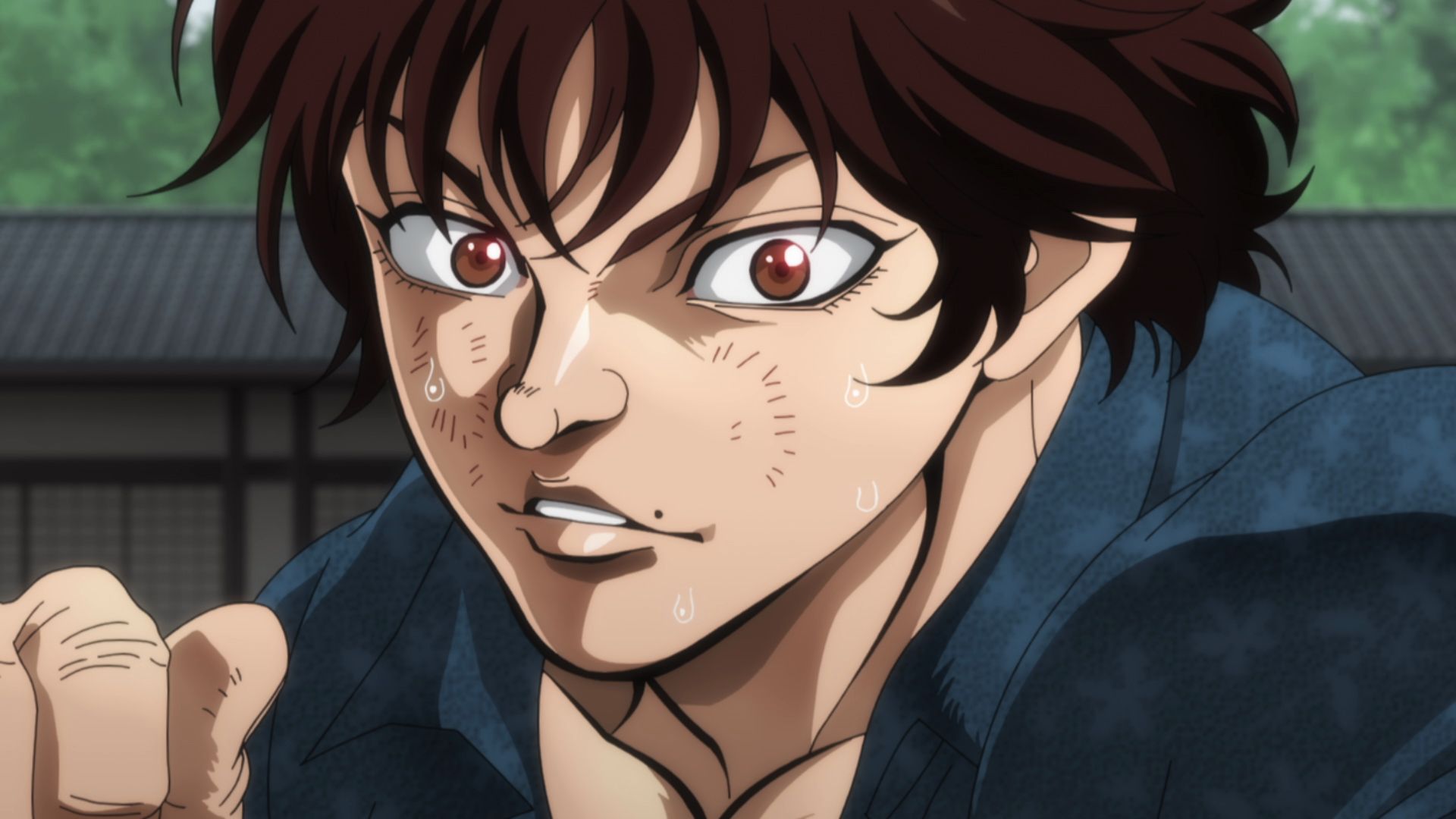
Baki has emerged as Netflix's dominant martial arts action anime through a combination of strategic platform exclusivity and creative persistence that overcame substantial production challenges.
The series, based on Keisuke Inoue's manga, found its ideal home on Netflix after navigating a fragmented anime distribution landscape. Unlike traditional broadcast models that scattered anime across multiple channels and regions, Netflix's global reach and commitment to exclusive anime content gave Baki the unified audience and financial backing necessary to sustain multiple seasons.
The creative team behind Baki leveraged the platform's willingness to invest in niche but dedicated fan communities. Martial arts anime occupies a specific demographic sweet spot. Fight choreography demands meticulous animation work, and Baki's focus on tournament arcs and hand-to-hand combat resonated with viewers fatigued by overstuffed shonen formulas. The series distinguished itself through brutal authenticity rather than power-scaling escalation.
Netflix's exclusive model eliminated simultaneous broadcast windows and regional licensing fragmentation that historically plagued anime distribution. This consolidated viewership into a single metric, making Baki's numbers appear more impressive than they might have under traditional licensing splits. The platform's algorithmic promotion also amplified discoverability among action-hungry subscribers unfamiliar with the manga source material.
Production hurdles included maintaining animation quality across multiple seasons while meeting Netflix's global release schedules. The show's success prompted the studio to expand capacity, though balancing speed with the intricate animation demands of martial arts sequences remained a constant challenge.
Baki's dominance within Netflix's martial arts anime catalog reflects broader streaming trends. Netflix prioritized exclusive content to differentiate from competitors, and properties with established fanbases like Baki provided lower-risk investments. The series proved that specialized anime genres could generate sustained subscriber engagement without requiring mainstream crossover success.
The franchise's momentum continues with new