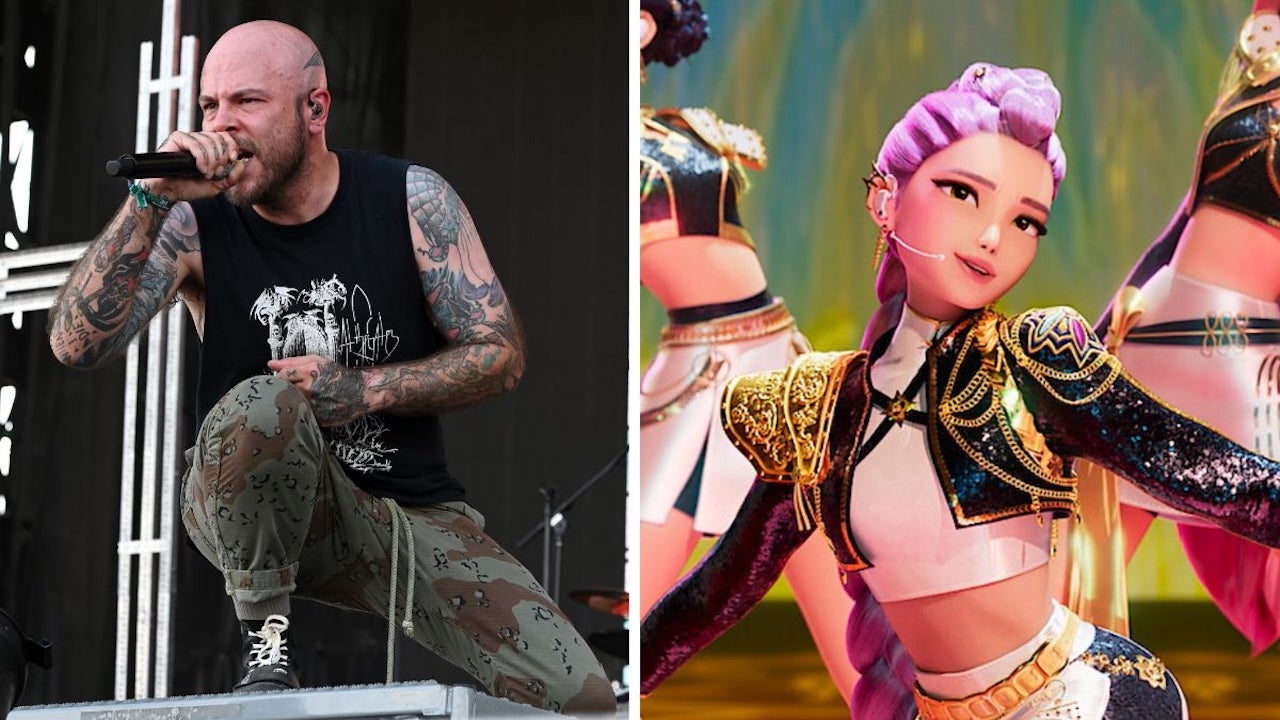
Christian metal band Demon Hunter has filed a lawsuit against Netflix and concert promoter AEG Presents over the use of "KPop Demon Hunters" as a trademark, claiming the streaming giant and live events company leveraged superior resources to appropriate their brand identity.
The band, which has built a two-decade career in the Christian metal space, argues they have been forced to surrender control over their commercial identity simply because defendants possess greater financial firepower. Demon Hunter contends that Netflix and AEG's use of the "Demon Hunters" moniker for what appears to be a K-pop related project creates market confusion and dilutes the established brand equity the Oklahoma-based group built through consistent touring, album releases, and fanbase development.
The dispute highlights a persistent tension in entertainment law. Smaller independent acts struggle to defend trademark rights against deep-pocketed studios and promoters who can afford protracted legal battles. Demon Hunter's case rests on prior use and brand recognition within their niche audience, but Netflix's global reach and AEG's event promotion machinery present a formidable challenge.
The "KPop Demon Hunters" project details remain murky from available information, though the distinction between "Demon Hunters" and "KPop Demon Hunters" may ultimately matter in trademark litigation. Courts examine whether consumers would reasonably confuse two marks, considering factors like similarity in sound, appearance, meaning, and the relatedness of goods or services. A K-pop venture could be seen as unrelated to a Christian metal act, potentially weakening Demon Hunter's argument. However, if Netflix and AEG explicitly referenced or leveraged the band's existing reputation to market their project, that would strengthen the band's position considerably.
This case arrives amid broader industry scrutiny of how major platforms treat intellectual property held by independent creators. Demon Hunter's decision to liti