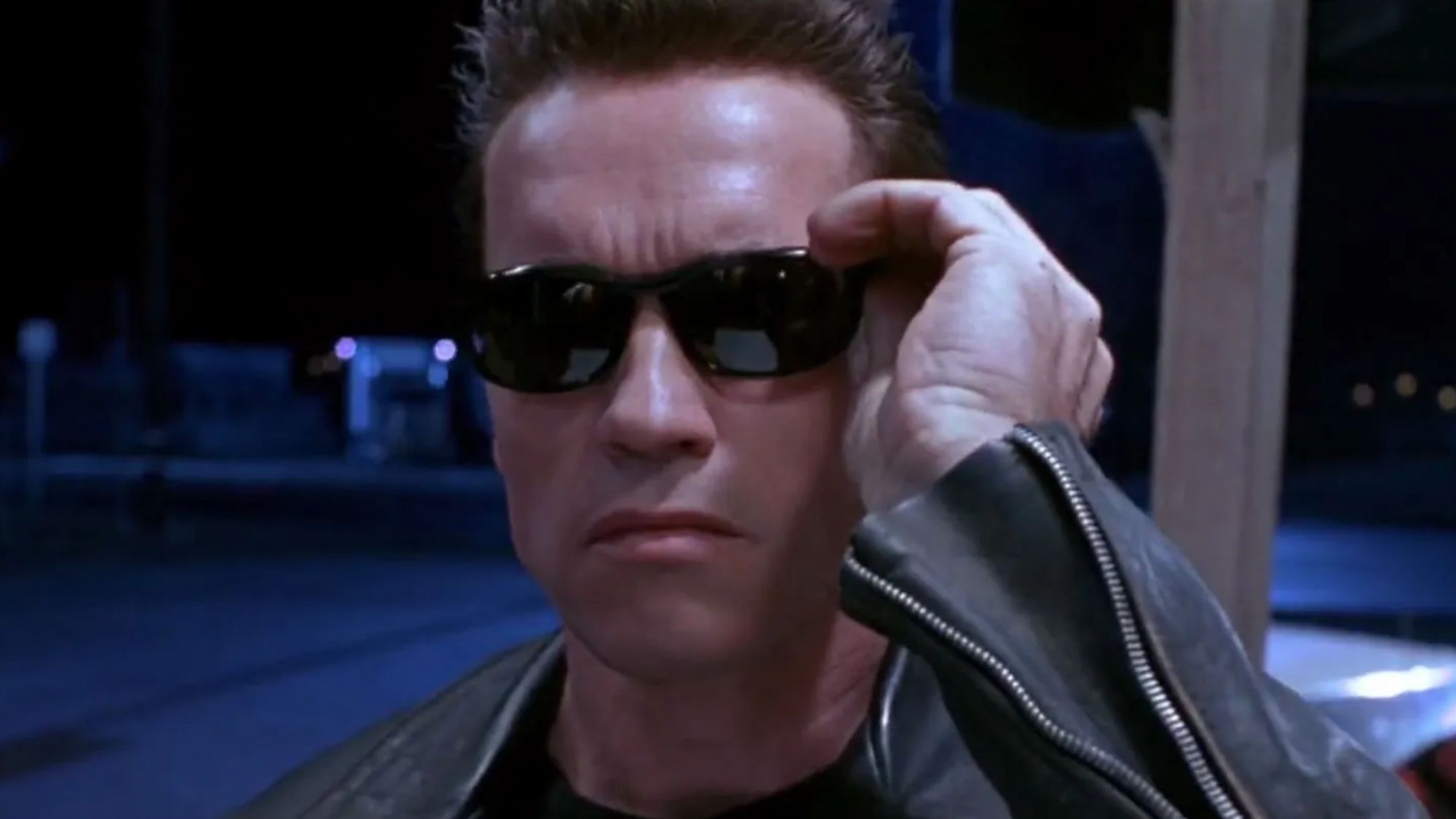
James Cameron's Terminator 2: Judgment Day, the 1991 sci-fi action masterpiece, is getting a new retelling that resurrects John and Sarah Connor alongside the T-800. The franchise, which has cycled through five sequels of diminishing returns since Cameron's original, appears ready to recalibrate around what audiences actually connected with: the core trio and their fight against Skynet.
This retelling represents a significant shift for Terminator, a property that struggled commercially and critically after Terminator 3: Rise of the Machines in 2003. Films like Terminator Genisys and Terminator Dark Fate attempted various timeline reboots and narrative resets, each chasing the cultural footprint of T2 without capturing its DNA. The franchise hit a wall. A fresh adaptation of the 1991 film itself suggests producers recognize the problem: they should return to what worked rather than extend beyond it.
Bringing back the Connor family mythology and Arnold Schwarzenegger's T-800 character acknowledges that audiences care about legacy and continuity when executed intelligently. T2 remains a watershed moment in action cinema and visual effects, holding up decades later in ways that prove the material transcends its era. The emotional core of Sarah's maternal protection and John's burden as humanity's future commander never aged out.
The new retelling must navigate tricky territory. It cannot simply remake Cameron's film beat-for-beat in an era when audiences demand fresh context and updated thematic weight. The script needs to justify its existence beyond nostalgia, offering either new angles on the Connor mythology or contemporary resonance that explains why this story demands retelling now.
Hollywood's nostalgia cycle has proven profitable when executed with purpose. The recent Star Wars, Marvel, and DC revivals succeeded by respecting source material while introducing stakes that felt earned. A