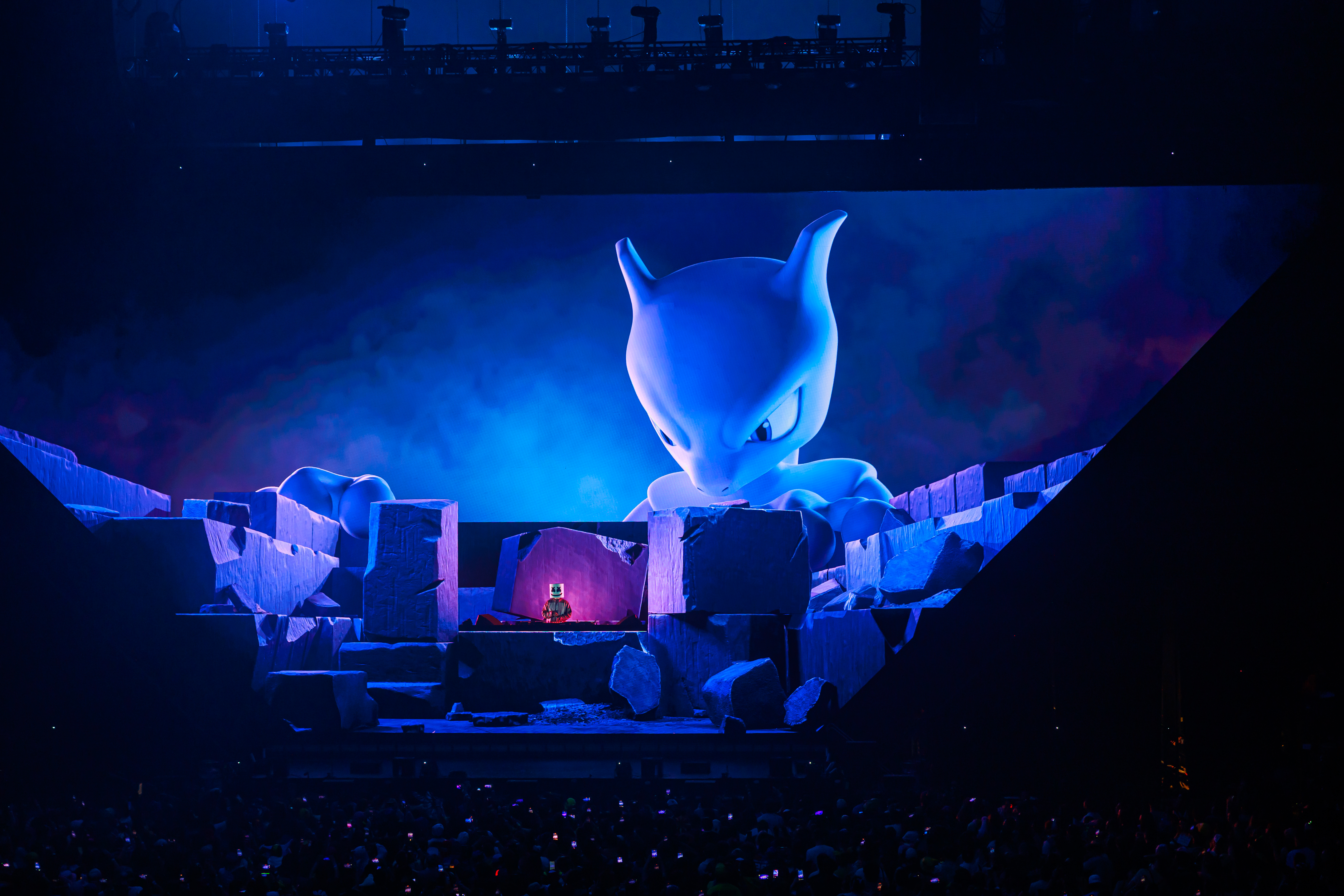
Pokémon leveled up into dance music territory this weekend. The franchise celebrated its 30th anniversary with "Pokémon Night Out," an EDM concert at LA's Intuit Dome featuring DJ Marshmello and producer Alison Wonderland. The event merged the creature-catching nostalgia of the video game and trading card empire with laser shows, pyrotechnics, and the high-energy production values that define electronic dance music festivals.
The concert represents a calculated expansion of Pokémon's cultural footprint beyond its core gaming and card-collecting audiences. While the franchise has ventured into film with last year's "Detective Pikachu Returns" and maintains a steady presence in television and merchandise, this venture into the EDM space targets the overlapping demographic of millennial and Gen Z audiences who grew up with Pokémon and now frequent music festivals. Marshmello, the helmet-wearing electronic music producer with billions of Spotify streams, brings mainstream credibility to the collaboration. Alison Wonderland adds underground festival credibility alongside her pop-crossover appeal.
The Intuit Dome, home of the LA Clippers and recently opened to major entertainment events, provided a 17,000-capacity venue designed for high-tech spectacle. The venue's cutting-edge lighting and sound systems match the production demands of both major touring DJs and the visual maximalism that Pokémon's brand demands. The show's structure likely incorporated Pokémon battle sequences, creature appearances, and franchise music remixed for electronic formats, turning gameplay mechanics into dancefloor engagement.
This move follows a broader industry trend of IP expansion into music festivals and live EDM experiences. Disney, Marvel, and other major franchises have tested similar water-to-music-venue crossovers, recognizing that concert experiences generate ticket revenue while deepening fan connection to intellectual properties. Pokémon's 30th anniversary presented the perfect moment for this experiment, as the franchise just hit a cultural refresh cycle with "Pokémon Scarlet and Violet" and continued strength in the trading card market despite previous supply-chain chaos.
The concert also reflects EDM's continued legitimacy as a mainstream entertainment category. Top-tier producers like Marshmello command festival billing and attract major sponsorships. Electronic music festivals like Coachella, Electric Daisy Carnival, and Tomorrowland now rank among the largest touring experiences in North America, rivaling traditional music festivals. Pokémon tapped into this infrastructure rather than building its own, suggesting careful risk management.
For The Pokémon Company, the concert strategy positions the franchise as culturally dynamic rather than static. While the core fanbase remains game and card players aged 8 to 40, adding music experiences signals adaptability. If successful, "Pokémon Night Out" could spawn touring dates in other major markets. Marshmello's international touring presence means potential international expansion possibilities exist.
The event demonstrates how legacy franchises sustain relevance across decades. Pokémon launched in 1996 and now faces newer competitors like Genshin Impact and Fortnite for gaming attention. Diversifying entertainment experiences, especially ones that feel culturally current rather than nostalgic, helps the brand stay top-of-mind for audiences beyond core players. An EDM concert hits differently than a film or TV show. It creates a live, shared moment that drives social media conversation and FOMO-driven ticket purchases. That calculus likely drove this 30th anniversary choice.