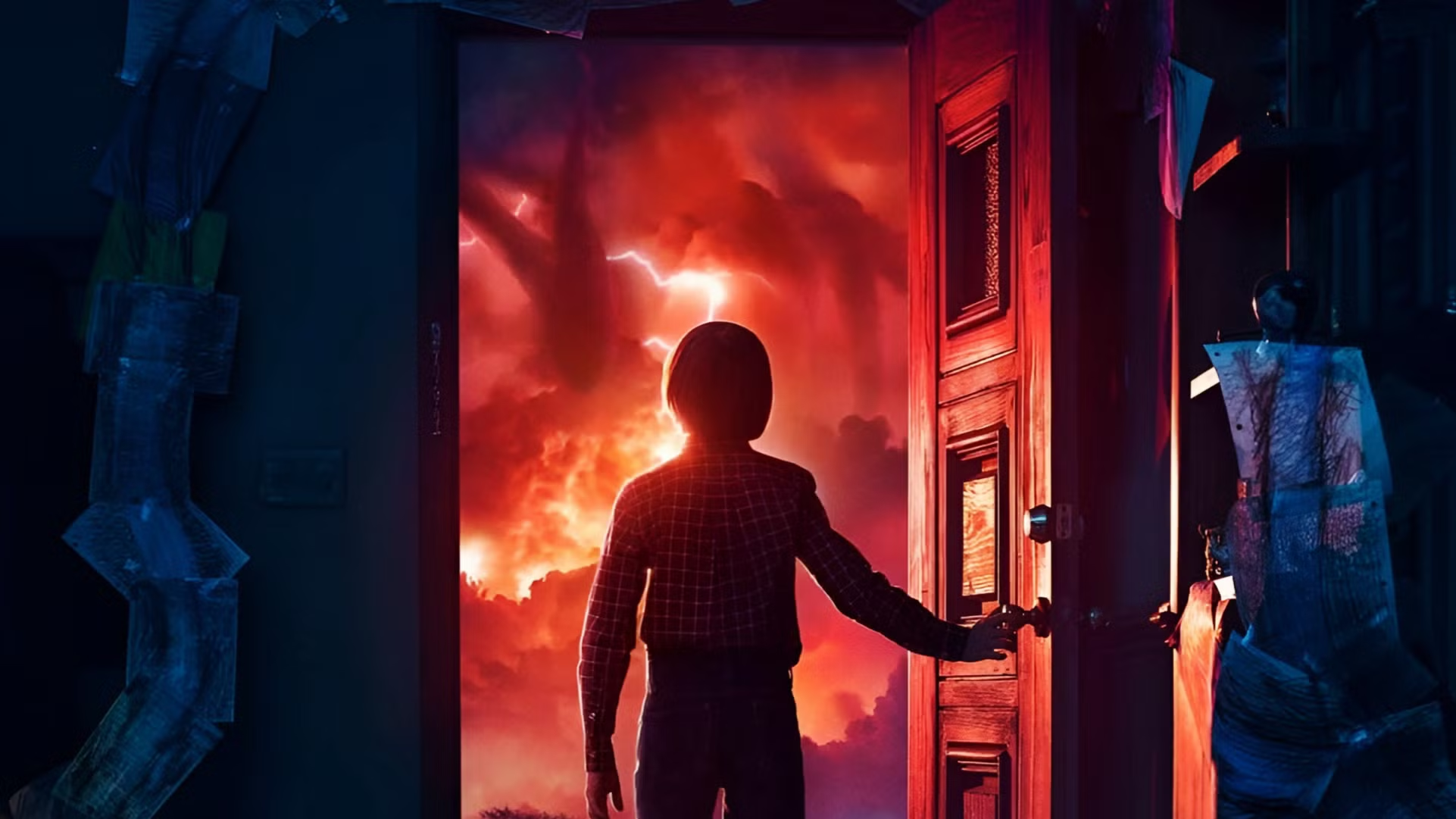
Netflix's Stranger Things draws heavily from H.P. Lovecraft's cosmic horror in its first eight episodes, according to the report. The show mirrors Lovecraftian themes by centering on human hubris. Dr. Martin Brenner and Hawkins National Laboratory open "The Gate" to expand human consciousness and weaponize it against the Soviets, unknowingly exposing humanity to an unknown dimension called the Upside Down.
The Upside Down functions as a non-Euclidean plane that mirrors Hawkins, much like the sunken city of R'lyeh in Lovecraft's The Call of Cthulhu. It is cold, dark, endless, and incomprehensible. The show avoids revealing the true nature of the Demogorgon throughout season one, relying instead on ambiguous imagery as Will attempts to communicate with his family while escaping the monster.
Characters like Joyce experience helplessness against the cosmic indifference of their world, similar to Lovecraftian protagonists. Season one creates an illusion of control through friendship and happy endings, but Will realizes before the finale that autonomy was an illusion. This subtly mocks human authority, echoing Lovecraftian storytelling.
The Duffer Brothers have cited H.P. Lovecraft's stories as an influence on Stranger Things. Starting in season two, the show retains some cosmic horror elements but makes its terrors more tangible, marking a departure from pure cosmic horror. As the series progresses, it shifts toward conventional supernatural thriller territory and coming-of-age themes in later seasons.