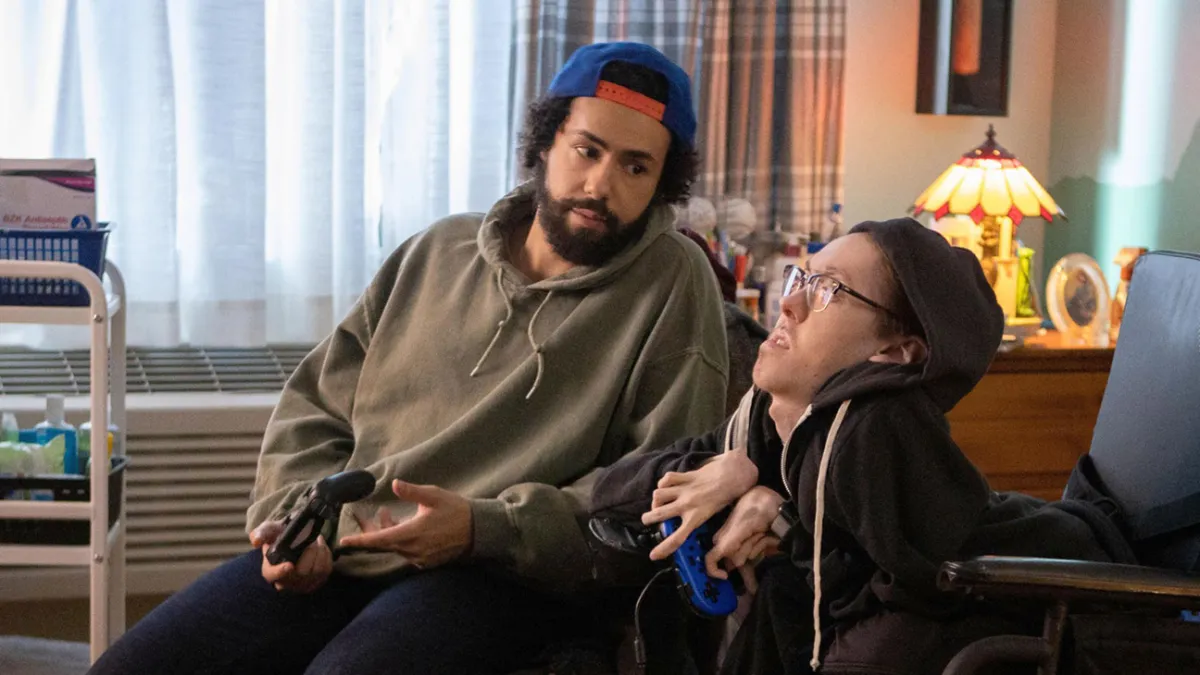
When Ramy Youssef, Jon Braylock, and Steve Way announced their still-untitled body swap comedy, they didn't just greenlight another formulaic Hollywood romp. They created a genuine opportunity to redefine how disability stories get told on screen. The film's premise—a man with muscular dystrophy and his burly caregiver swapping bodies—is deliberately subversive in ways that matter, and the infrastructure being built around it suggests this project understands the assignment.
The decision to have Way write the script alongside Braylock is crucial. Too often, disability narratives get filtered through able-bodied perspectives, reducing lived experience to inspiration porn or tragic backdrop. Here, Way—born with muscular dystrophy and a career-long advocate for disability rights—is directly authoring his own story. He's not just starring; he's controlling the narrative. This matters enormously. The body swap premise itself becomes a tool for genuine cultural commentary rather than lazy comedy, allowing the film to explore caregiving dynamics, bodily autonomy, and intersectional humor from a position of authentic expertise.
The production partnerships reinforce this commitment. Pairing with Inevitable Studios—owned by Richie Siegel and Marisa Torelli-Pedevska's Inevitable Foundation, described as the premiere Hollywood entity focused on commercial film and television through a disability lens—signals that this isn't a passion project masquerading as serious cinema. This is intentional disability representation with actual resources behind it. Adding Give Not Take Media, the entertainment company owned by caregiving awareness organization Caring Across Generations that aims to engage with the experiences of the 130 million Americans impacted by all levels of care, further grounds the project in meaningful purpose. Give Not Take's recent film Take Me Home, which won at both Sundance and Tribeca before arriving in theaters with a VOD release on November 15, demonstrates their track record of quality disability storytelling.
The creative team's history together matters too. Youssef and Way previously starred opposite one another in Hulu's acclaimed comedy Ramy, proving their chemistry and understanding of nuanced character work. Way's recent appearance opposite Lola Petticrew and Emmy Rossum in the hit summer thriller Furious shows his range extends well beyond disability narratives—he's simply a talented performer with something specific to say through this particular project.
What remains unknown is equally important: who will direct this film and who will play Way's character's caregiver. These choices will determine whether the filmmakers can truly deliver on their premise's potential. The right director and co-star could elevate this into something genuinely groundbreaking. The wrong ones could undermine everything. Hollywood has proven it can center disability stories when the infrastructure and intention align. Youssef, Way, and their collaborators have built that infrastructure. Now they need to follow through.