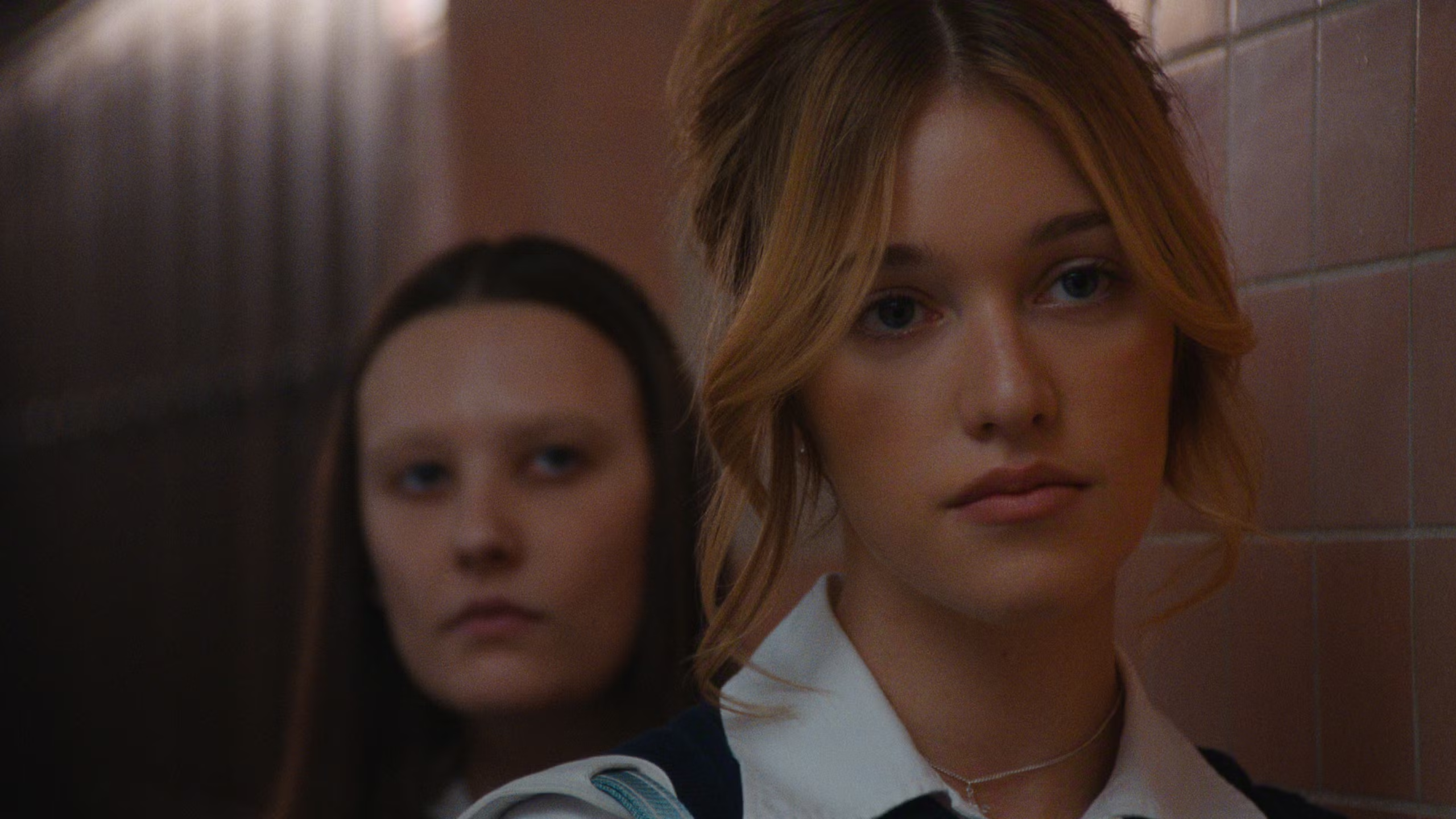
Netflix's The Body delivers sharp religious satire and raunchy sapphic scenes, but stumbles with inconsistent pacing and implausible character behavior. Director Quinn Shepherd, known for LGBTQ+ titles like Not Okay and The Miseducation of Cameron Post, centers the series on Catholic girls on a dance team whose initiation ritual goes horribly wrong. The cast consists mostly of up-and-coming actors. Geena Meszaros and Sarah Boustany shine as Lisbeth and Elise, though Kristina Bogic, who plays Anya, lacks confidence until the halfway point.
The show leans into campiness and refuses to take itself seriously, which makes its flaws more forgivable. It satirizes religious divination, visions from god, and confessions, alongside Catholic guilt. The series pokes fun at the stereotype of Catholic schools as breeding grounds for queerness and treats the horror as coming from both human behavior and supernatural ritual gone wrong. The show grounds its most fanatical characters in Father Franklin and Elise, who are portrayed as deeply rational.
The pacing is a persistent problem. The opening episode works well, but episodes 2, 3, and 4 swing between too slow and too fast. The series finds its groove around episode 5. The climax and ending feel rushed, with characters acting irrationally and the plot skipping over key details.
The biggest concern is the cliffhanger ending. The show ends on questions central to the plot, with the final moments raising a massive new question that will reframe the entire first season. Netflix has a history of canceling shows after one season and shortchanging sapphic series, which creates dread about whether viewers will get answers.
The Body commits fully to its campy tone from the opening. The music is over-the-top, the title appears in bedazzled pink text, and the show contrasts Eucharist scenes with sexualized stretching without focusing on boobs or butts. Party scenes feel like college frat gatherings rather than high school events, and a random dance number signals the show won't take itself seriously.