HBO's 2019 miniseries Chernobyl delivers five episodes of thriller storytelling so precisely constructed that nearly every minute feels essential. The five-episode dramatization of the 1986 nuclear disaster won 10 awards from 19 Primetime Emmy nominations and holds a 95% Rotten Tomatoes score.
The series organizes the overlapping failures and responses surrounding history's worst nuclear disaster into a coherent narrative that shifts the audience's understanding with each episode. Initial confusion becomes desperate containment effort, then exhausting reckoning with damage, and finally investigation into how the catastrophe became possible. This structure ensures each episode serves a specific purpose, making the technical explanation-heavy finale feel like a "devastatingly satisfying payoff."
Director Craig Mazin and the writers use quieter moments away from the disaster itself to maintain momentum. Hospital scenes and bureaucratic confrontations reveal essential consequences that focusing solely on emergency response could not. The show moves between perspectives to give the disaster human scale without reducing focus to a single character.
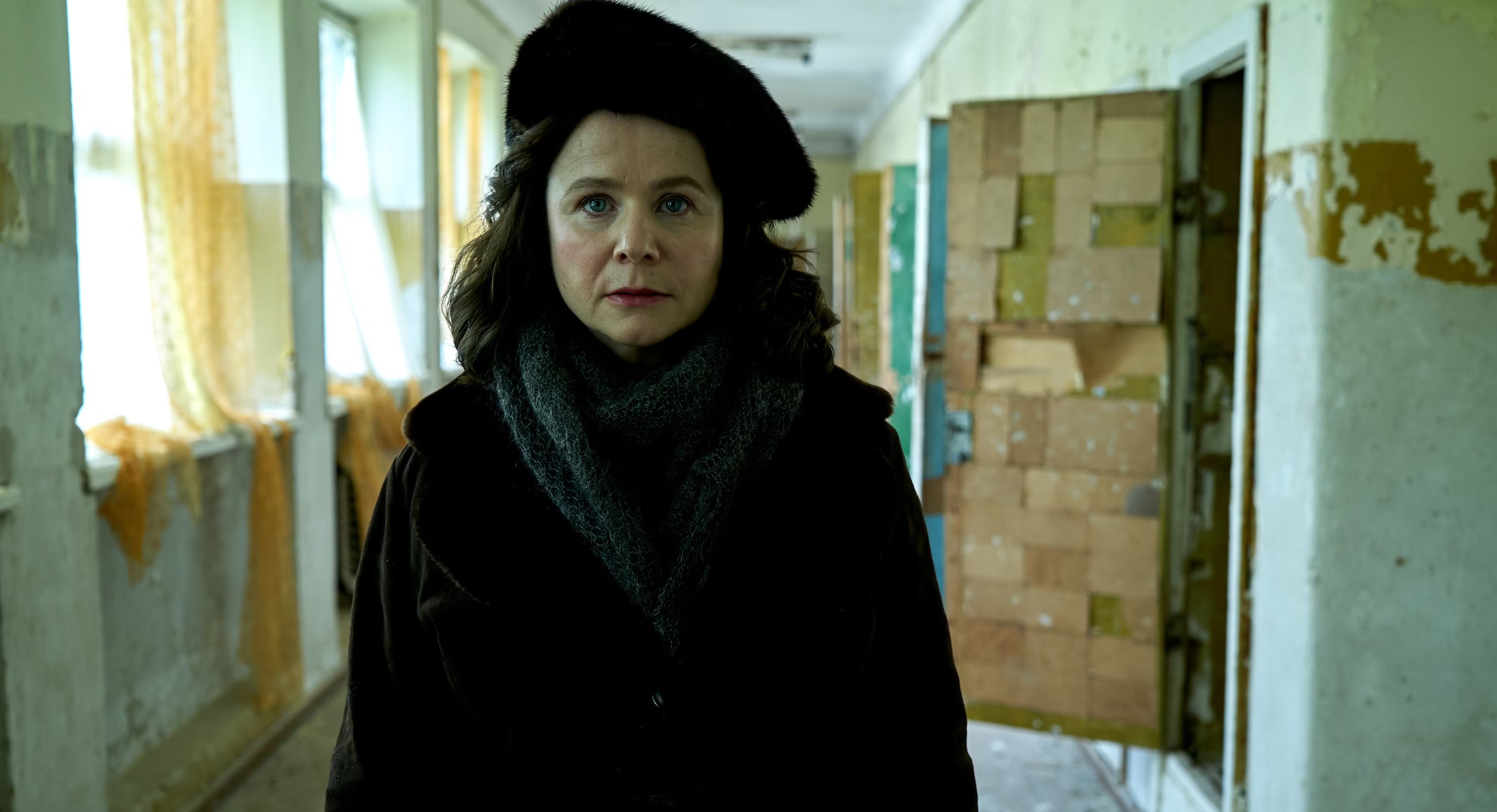
The series created composite characters like Ulana Khomyuk (Emily Watson) to condense multiple existing perspectives into a single lens. This approach allowed Chernobyl to tell a gripping story without radically reinterpreting history or relying on sensationalism. It avoided becoming a documentary-like historical drama.
Chernobyl makes radiation terrifying by transforming ordinary corridors and debris into deadly unseen threats. Sound design turns the danger into an oppressive presence while cinematography creates claustrophobia that makes everything feel inescapable. The survival sequences establish clear objectives, explaining what must be done and why it's difficult, which makes the plot bingeable even as radiation exposure consequences extend tension beyond individual scenes.
Institutional denial and failure intensify the relentless tension. Political considerations can render individual effort meaningless. This combination of narrative clarity, well-rounded characters, and long-term dread would secure Chernobyl's legacy even as entirely fictional storytelling.