Robert A. Heinlein tolerated screenwriting for film but despised working in television. In a 1994 Cinefantastique Magazine quote, Heinlein acknowledged that Hollywood screenwriting caused stress, though seeing a finished film he worked on proved rewarding. His TV experience, by contrast, was "totally miserable."
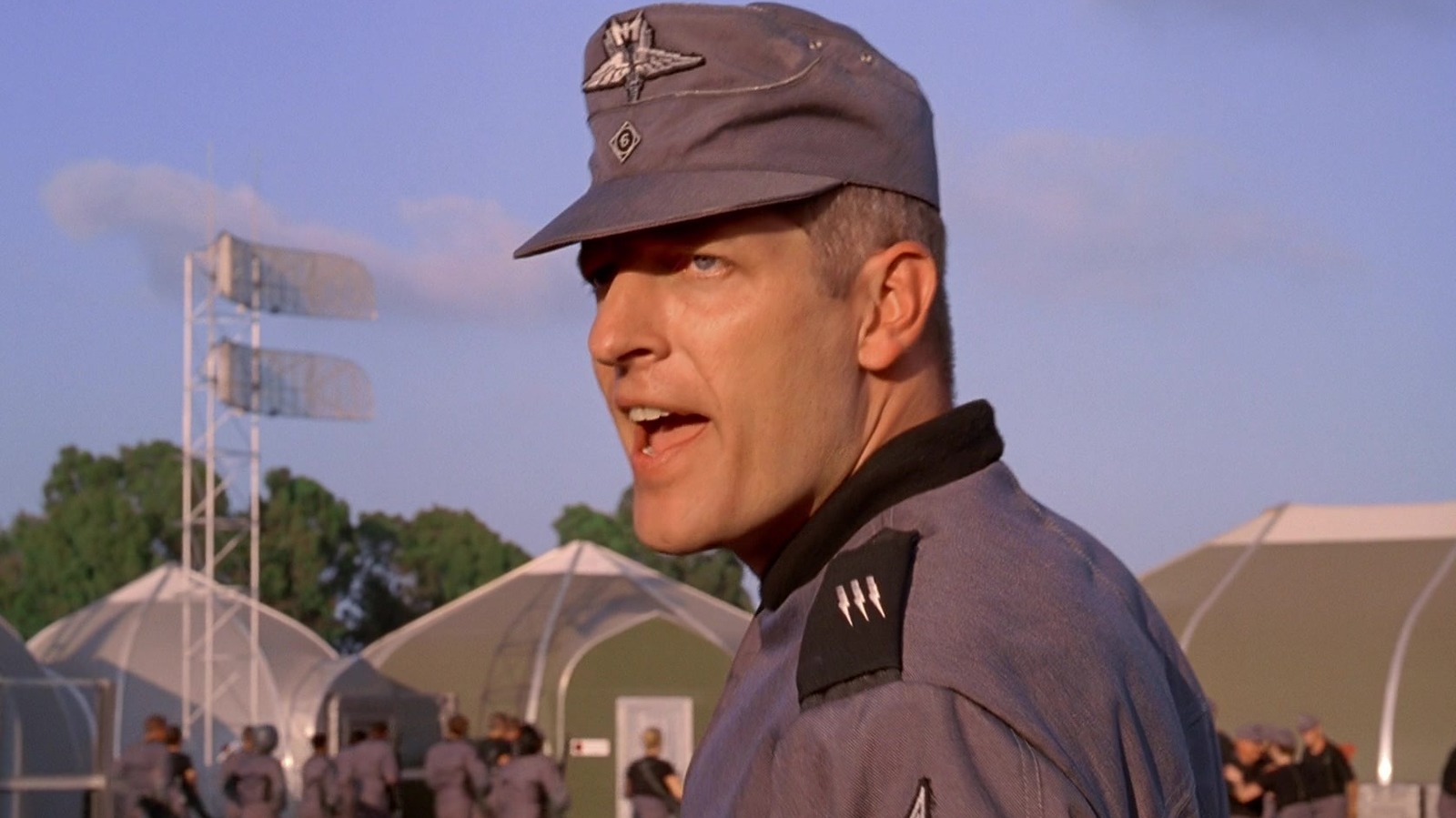
Heinlein wrote the 1959 novel adapted into Paul Verhoeven's 1997 "Starship Troopers" and the short story "'—All You Zombies—'" adapted into "Predestination." In the 1950s, he earned screenplay credits on Irving Pichel's 1950 "Destination Moon" (adapted from Heinlein's 1947 novel "Rocket Ship Galileo") and Richard Talmidge's 1953 "Project Moonbase." Heinlein expressed satisfaction with "Destination Moon," telling Cinefantastique: "[I]t had cost me eighteen months work, my peace of mind, and almost all of my remaining hair. Nevertheless, when I saw the 'rough cut' of the picture, it seems to have been worth it."
The turning point came in the 1960s when producer Howie Horowitz commissioned Heinlein to write a TV pilot called "XXII Century" (also "Century XXII"). The script, available on the Heinlein archive website, contained pages of revisions. Heinlein wrote: "[I]f the series is never produced, I hope I have sense enough to stay home and write books in the future, and leave the movie never-never land to those who enjoy the rat race."
The unmade pilot was set in 2163 and featured a secret society of superhumans with rational thinking abilities, based on Heinlein's 1949 novella "Gulf." According to Heinlein scholar Bill Patterson at The Space Review, the script was too daring for television to produce. The project abandoned, Heinlein abandoned television and returned to novels.