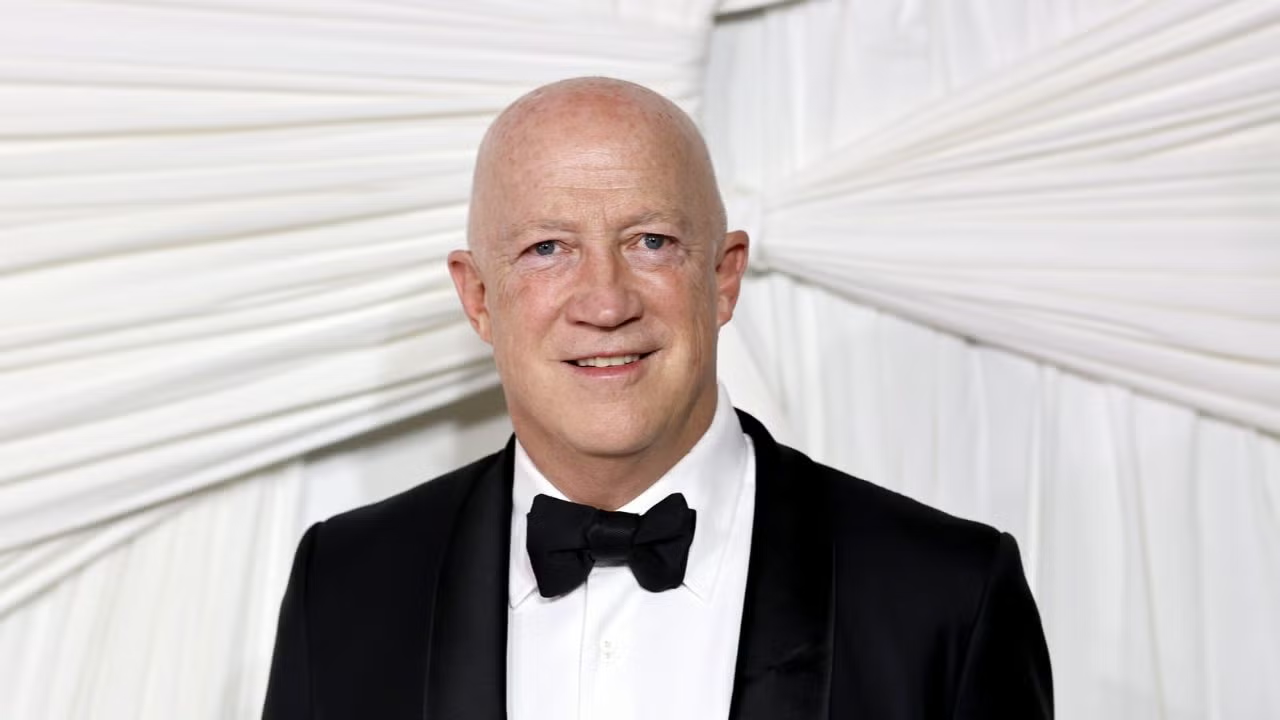
Bryan Lourd, CEO of Creative Artists Agency, is calling on Congress to pass the NO FAKES Act, federal legislation that would protect people's voices and likenesses from unauthorized AI replicas. In a New York Times opinion essay published Saturday, Lourd argues that existing copyright and licensing principles should extend to artificial intelligence.
The NO FAKES Act framework centers on control, consent and compensation. Under the proposed approach, individuals would have the right to authorize or reject the use of their digital likenesses, with companies required to negotiate and pay for authorized commercial uses.
Lourd cites several examples of unauthorized AI impersonation. A dental advertisement featured a younger, AI-generated version of Tom Hanks. A content creator's likeness was used in an advertisement for erectile dysfunction supplements. Voice actors discovered that recordings made for research purposes had been turned into commercial voice clones.
Lourd argues the solution does not require Congress to create an entirely new legal framework. Instead, existing principles governing copyright, contracts and licensing can be applied to AI-generated replicas, provided federal lawmakers establish a consistent standard.
The proposed legislation has attracted support from organizations across entertainment and technology, including SAG-AFTRA, the Motion Picture Association, IBM, Google and OpenAI, according to Lourd.
Lourd distinguishes between opposing AI and opposing its unauthorized use. He notes that artists are already making voluntary licensing arrangements with AI companies. "Hollywood is not afraid of new technology," Lourd writes, framing the dispute as one over permission rather than technological advancement.