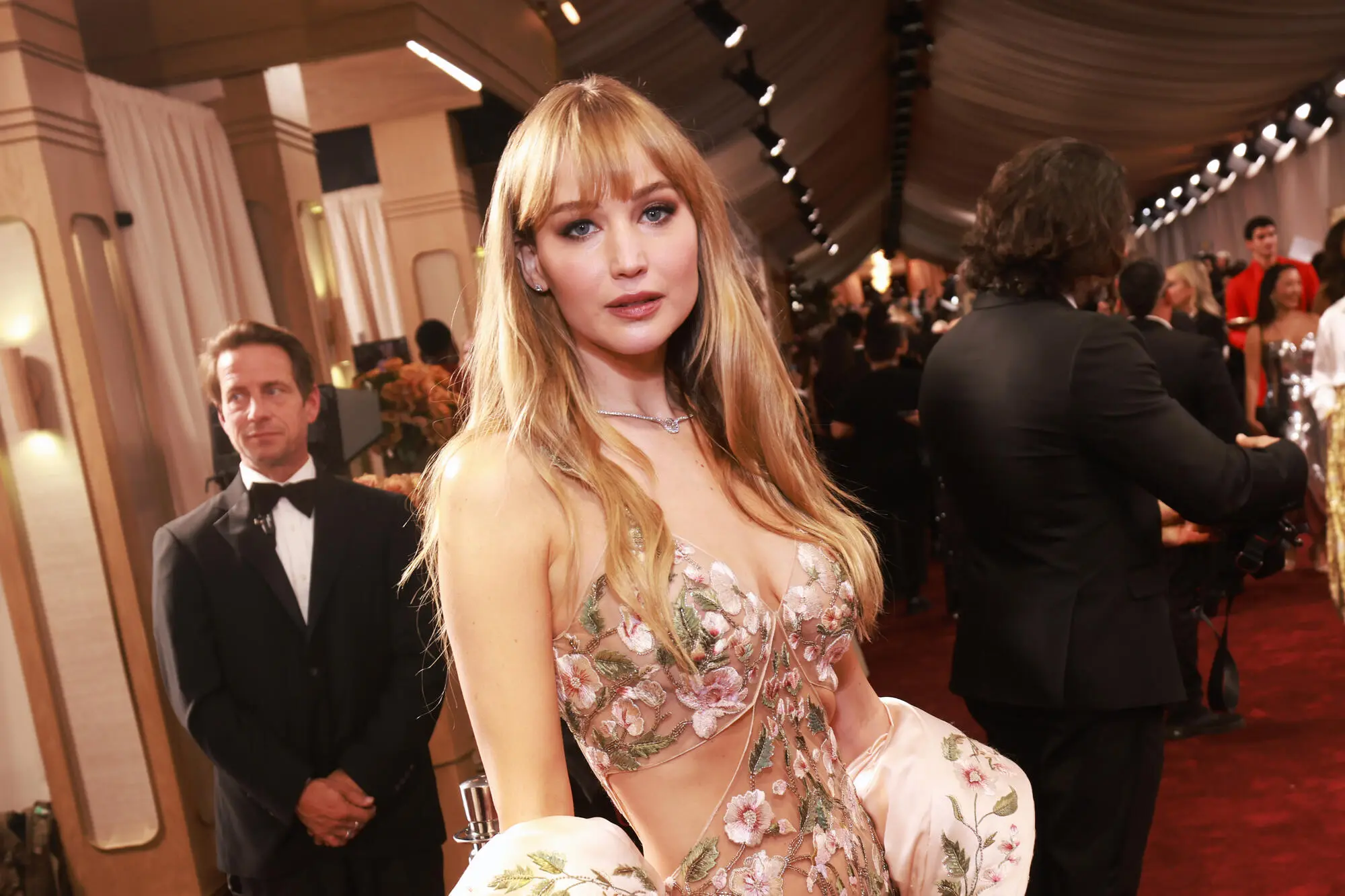
Jennifer Lawrence's foray into the beauty industry represents a deliberate entrepreneurial choice, not a hedged bet against Hollywood's unpredictability. The Oscar-winning actress launched Mes, a haircare brand, but pushes back against assumptions that the move signals career anxiety or financial concerns.
In a conversation with The Cut, Lawrence clarified her reasoning. She noted that if she were genuinely worried about sustaining income from acting, "a smarter exit plan would be signing up for a big franchise." The comment cuts to the heart of modern celebrity strategy. A-list actors routinely lock down lucrative multi-picture deals with studios or streaming platforms, guaranteeing years of paydays with minimal creative risk. Lawrence herself has navigated this landscape, from her Hunger Games tenure to her ongoing film work. Her point lands: entering beauty would be an odd financial hedge when franchise contracts exist.
Instead, Lawrence frames Mes as a passion project born from genuine product interest. The haircare market represents one of the most accessible entry points for celebrity entrepreneurs. Unlike fashion or luxury goods, which demand significant infrastructure and design expertise, haircare allows celebrities to partner with established manufacturers while maintaining brand control and creative input.
The celebrity beauty boom accelerated dramatically post-2016. Rihanna's Fenty Beauty revolutionized the space by launching with 40 foundation shades, directly challenging industry standards. Kylie Jenner's Kylie Cosmetics generated reported revenues exceeding $600 million annually before eventual market adjustments. Even actors typically associated with heavyweight dramatic work recognized opportunity. Priyanka Chopra Jonas invested in haircare through a brand partnership. Jessica Alba built a billion-dollar enterprise with Honest Company, expanding well beyond beauty into household goods.
Lawrence's beauty entry differs from most celebrity launches. She isn't pursuing a legacy business model or attempting to build a conglomerate. Mes appears positioned as a focused, quality-driven product line rather than a sprawling empire play. This aligns with how Lawrence conducts her career generally. She remains selective about roles, rejecting the superhero-franchise treadmill that consumed chunks of her thirties. She chose to step back from acting temporarily and has maintained control over her narrative.
The haircare category specifically appeals to A-list actors increasingly protective of their public image. Haircare products generate lower controversy than cosmetics, which carry cultural weight around beauty standards and inclusivity. A haircare launch positions Lawrence as a wellness entrepreneur rather than someone making statements about aesthetics or identity. This matters for her brand positioning and the types of partnerships she attracts.
Lawrence's statement reflects broader shifts in how elite talent views secondary income streams. She isn't desperate. She's exploring what genuinely interests her while her acting career remains robust. This differs from actors who launched beauty brands from positions of declining relevance or as primary income sources.
The bigger picture involves how A-list actors leverage their platforms in the 2020s. Streaming has fragmented audiences and shortened theatrical windows. Franchise opportunities, while lucrative, demand years of commitment. Beauty and lifestyle entrepreneurship offers creative autonomy, passive income potential, and brand extension opportunities that film roles simply don't provide. Lawrence's Mes launch signals confidence in her acting future and curiosity about building something independent from studio systems entirely.