Yuriko Gamo Romer's "Diamond Diplomacy" is a masterwork of cultural storytelling, weaving 150 years of Japan-US relations through the lens of baseball. The documentary traces yakyu from its 1872 introduction by an American educator through the rise of Shohei Ohtani, examining how a sport became a bridge between nations during moments of profound tension and, ultimately, healing. That such an ambitious, timely film nearly didn't reach completion speaks volumes about how we fund documentary work in America—and it's a damning indictment we should fix.
The numbers tell a stark story. Romer secured a $600,000 National Endowment for the Humanities grant to make this film, a recognition that the project had cultural significance worth public investment. Then, in April 2025, more than half that funding—$300,000—was suddenly cancelled due to DOGE cuts. A project greenlit as worthy of American support was gutted mid-production. That former American diplomat Glen S. Fukushima had to step in with $300,000 of his own money to save the film is not heartwarming; it's a failure of institutional commitment. Romer had been researching this film for 12 years, raising money and funding it independently before finally securing the NEH grant. The timing wasn't serendipitous with Ohtani's success, as Romer noted at the Tokyo International Film Festival screening—it was the result of years of dedication.
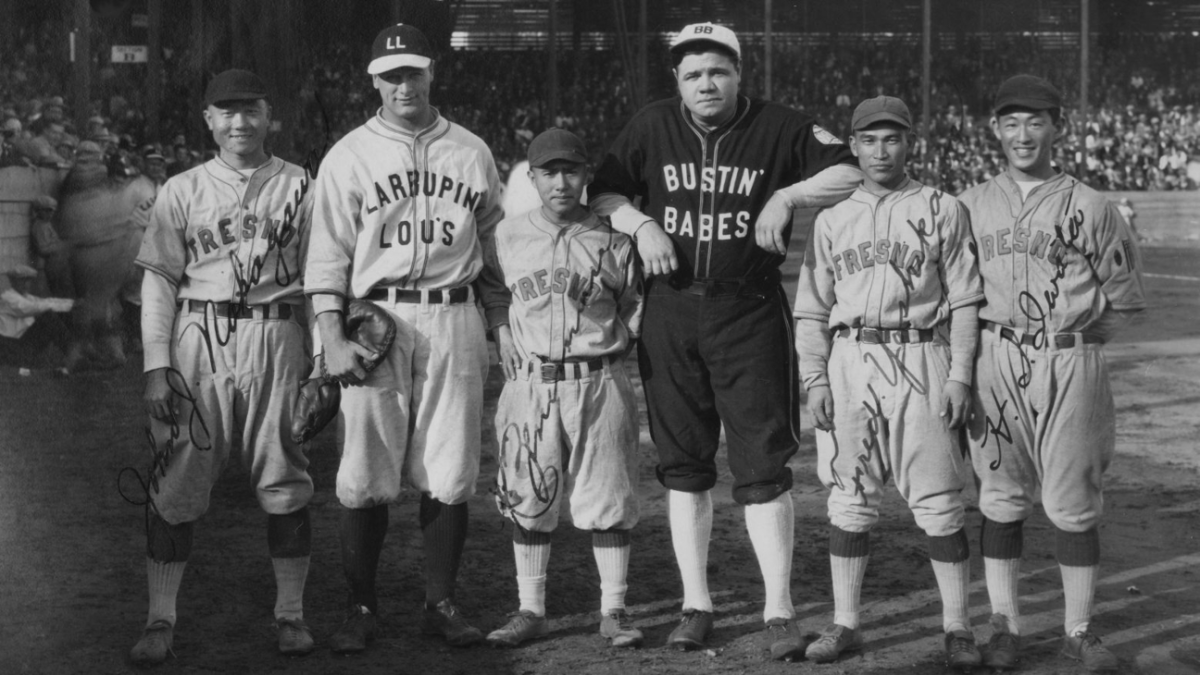
The film's subject matter makes the funding cancellation particularly galling. Through Robert Whiting's commentary, Romer documents how Japanese baseball predates judo, shaped by the same perfectionist methods and obsessive mindsets that define martial arts. The documentary shows how Babe Ruth's 1934 tour created enthusiasm even amid rising political tensions, how Japanese-American internees played baseball behind barbed wire as resistance and resilience, and how Negro League players found dignity in Japan that was denied them at home. This is not frivolous cultural coverage—it's history that matters.
Masanori Murakami's story epitomizes what the film captures. The first Japanese MLB player, who debuted for the San Francisco Giants against the Mets in September 1964, tells how an umpire's terrible call on what was clearly a strike led him to stand up for himself—something that moved a Japanese restaurant chef to tears because, as he explained, Japanese people felt compelled to be subservient to Americans since the war. Murakami's willingness to assert himself became a cultural moment. That's the kind of nuance and human truth that documentaries like this unearth.
"Diamond Diplomacy" has been picked up by Strand Releasing for North America and Wondergenic for Japan, so it will reach audiences. But it shouldn't have required private rescue to exist. Federal cultural funding exists for reasons—to support stories that matter beyond commercial viability. Romer's film needed it, deserved it, and nearly lost it to sudden budget cuts. That's not how we should treat documentary filmmaking in America.