Netflix's adaptation of A Series of Unfortunate Events achieved distinctive worldbuilding across just 25 episodes and three seasons between 2017 and 2019, turning an everyday reality into something that feels distinctly alien without relying on magic or supernatural elements.
Based on Daniel Handler's 13 novels published under the name Lemony Snicket, the show follows the three Baudelaire orphans, Violet (Malina Weissman), Klaus (Louis Hynes), and baby Sunny (Presley Smith), as they move between foster families while pursued by Count Olaf (Neil Patrick Harris). The series creates a nightmare-like inversion of reality through exaggerated sets that make ordinary environments feel unsettling and a deliberately scrambled relationship with history where telegraphs and walkie-talkies coexist as contemporary devices.
Patrick Warburton's narration as Lemony Snicket grounds the absurdity. He delivers solemn commentary like someone documenting an existing world, complete with personal regrets and hidden information. His digressions suggest a past as rich as the present, making the world feel bizarrely plausible.
The show succeeds as an adaptation because it grasps what makes Handler's books beloved. The central logic involves children frustrated with authority figures who lack the intelligence or compassion to deserve their power. Bureaucratic procedures govern all things, even when they put the Baudelaire orphans at risk. The recurring failures of characters like Mr. Poe create terror without supernatural elements.
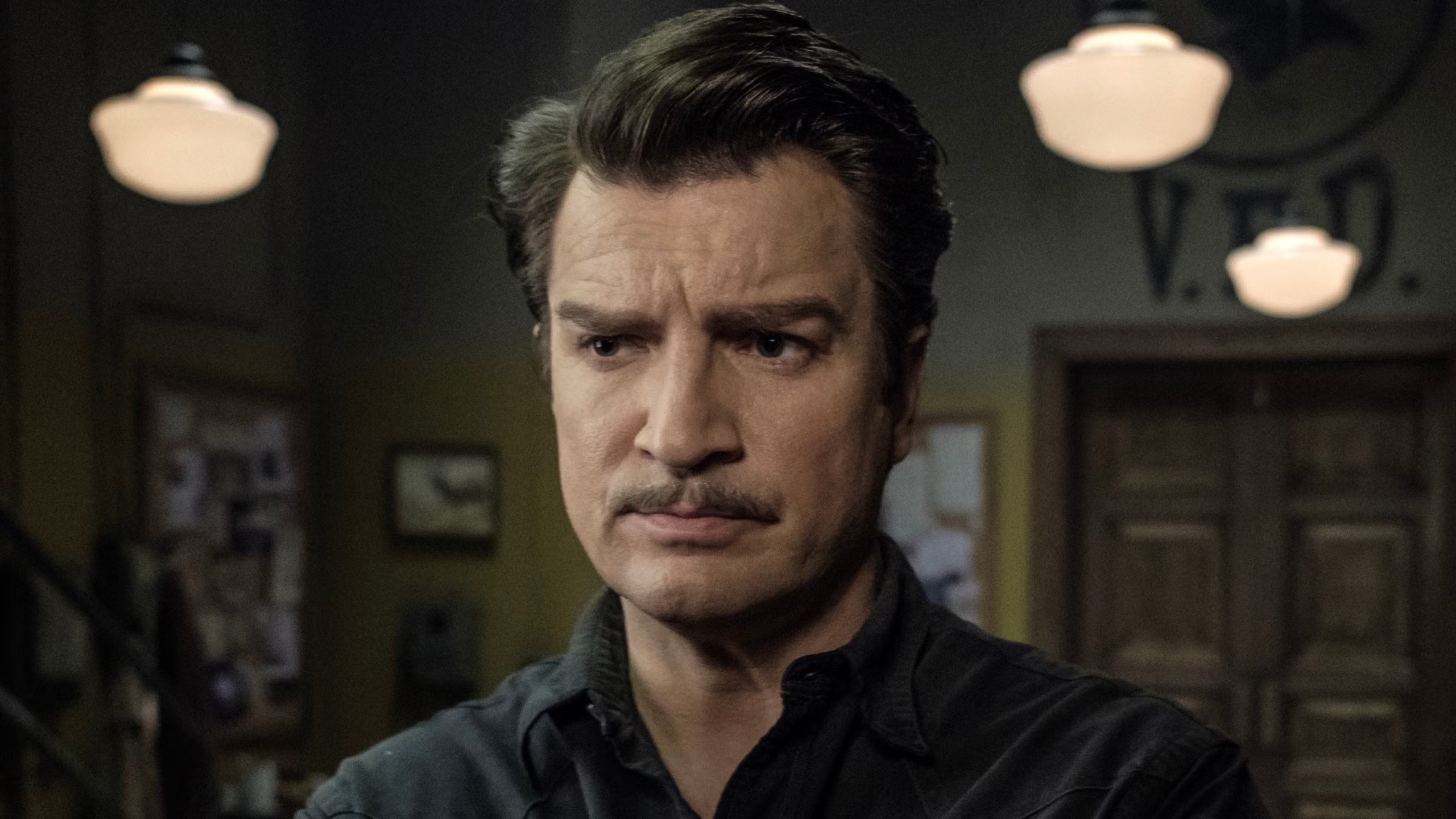
The Netflix series made substantial changes to the source material's timeline, including bringing the V.F.D. organization's influence forward from the start. Such alterations might damage other adaptations, but here they support the narrative's spiritual core by reinforcing why Handler's novels engage readers.