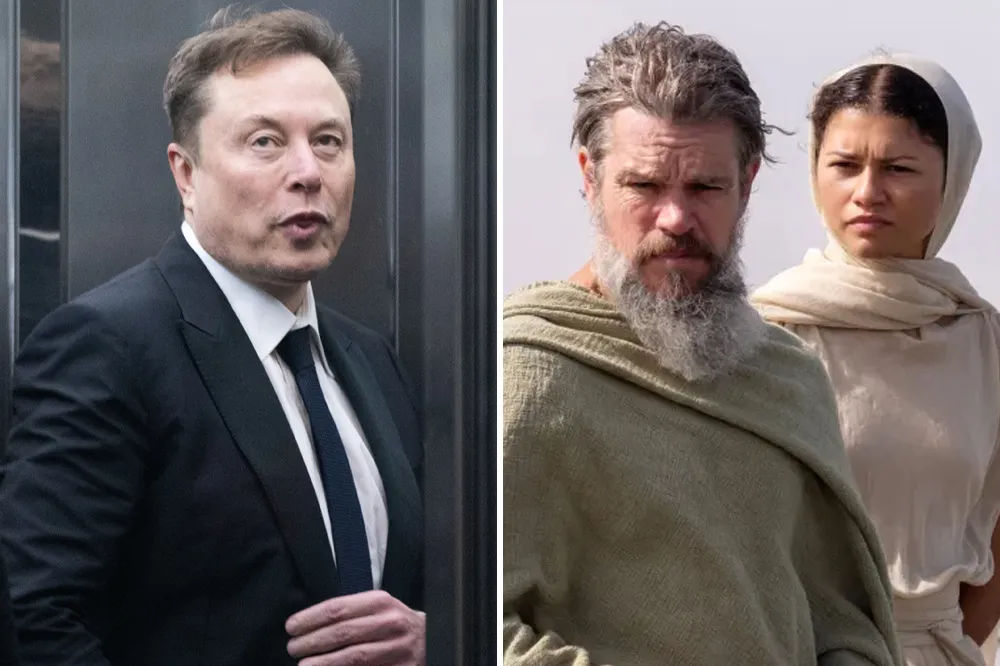
Elon Musk's AI image and video tool Grok Imagine has delivered its first concrete output from a months-old pledge to create an entirely AI-generated adaptation of Homer's "The Odyssey." On Friday, xAI released a 7-minute episode on X, marking the first public demonstration of the project that Musk had promised would be a "historically accurate" feature-length film.
The release represents a partial follow-through on Musk's earlier commitment. When he first announced the Grok Imagine initiative, he positioned it as a next-generation creative tool that would leverage artificial intelligence to produce full cinematic experiences without traditional human crew involvement. The compressed timeline from announcement to a sample episode underscores the accelerating pace at which AI video generation is moving into practical, shareable formats. However, the 7-minute format falls dramatically short of the full-length feature film Musk originally promised.
This move enters an already crowded space where AI video tools are rapidly gaining visibility. OpenAI's Sora, Google's Gemini with video capabilities, and Runway's generative platforms have all moved toward commercial demos and limited rollouts. Yet none have attempted to tackle the kind of literary adaptation project Musk set for Grok. Taking on "The Odyssey" adds narrative complexity that extends beyond simple text-to-video generation. The poem spans multiple episodes, requires character consistency, demands visual worldbuilding for ancient Greece, and presents the challenge of translating 8th-century B.C. epic poetry into compelling visual storytelling.
The episode's reception will likely split along predictable lines. Tech enthusiasts and Musk followers will celebrate it as proof of concept that AI can handle dramatic adaptation at scale. Filmmakers, studios, and creative professionals will scrutinize the production for authenticity, pacing, dialogue quality, and whether the "historically accurate" promise holds up. The entertainment industry watches these developments carefully as studios evaluate whether AI tools represent partnership opportunities or competitive threats to traditional production pipelines.
The underlying tension here reflects broader industry anxieties. Feature film studios have watched as generative AI threatens visual effects pipelines, concept art roles, and even early drafts of screenwriting. An AI-generated "Odyssey" serves as both proof that some creative work can be fully automated and a provocation to Hollywood's existing gatekeepers. Even if this particular experiment produces crude or unconvincing results, the directional trend points toward AI playing an increasingly central role in content generation, especially for productions where budget constraints make traditional crews prohibitive.
Musk's track record with announced timelines adds context here. Tesla and SpaceX have regularly seen deadlines slip on ambitious promises. That the Grok team moved from announcement to a released sample in just months shows genuine engineering progress, though whether the full feature ever materializes remains an open question. The 7-minute episode functions as both marketing proof and a pressure valve, demonstrating capability while buying time to develop the full experience.
What happens next matters for the entire AI-creative ecosystem. If audiences respond positively to the Odyssey samples, xAI could leverage them as a template for other literary adaptations or original stories. If the results prove technically unconvincing or artistically flat, they may dampen investment enthusiasm for AI filmmaking ventures. Either way, the project signals that generative AI has moved beyond academic exercise into the territory of actual entertainment production.