Indian streaming has entered a paradoxical moment. Viewer demand for local content has exploded across the decade, with IMDb data showing a 17-fold surge in audience interest. Yet the production pipeline contracted sharply in the past two years, signaling a fundamental reset in how platforms bet on homegrown fare.
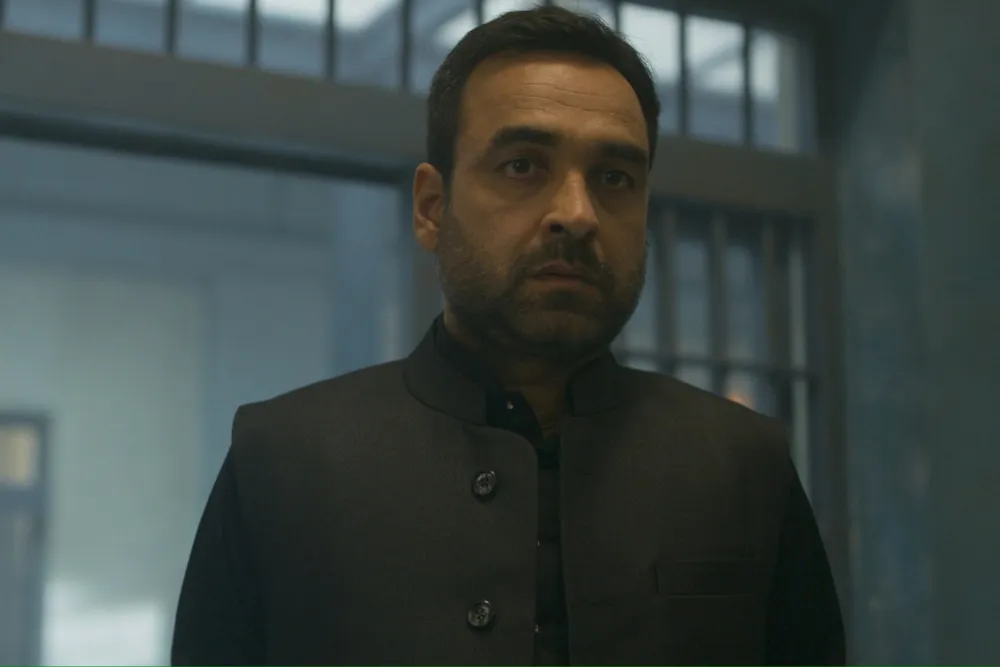
Mirzapur dominates this landscape. The crime thriller, which premiered on Amazon Prime Video in 2018, has become the defining title of Indian streaming's first era. Its visceral storytelling about gang warfare in Uttar Pradesh captured global attention at a moment when Indian web series were still establishing creative credibility. The show's success validated a thesis: Indian audiences demanded sophisticated narratives that treated their own stories with the complexity reserved for prestige drama elsewhere.
The IMDb study reveals the contradiction at the heart of the streaming wars in India. While viewer engagement metrics show explosive growth, commissions have declined two consecutive years. This pullback reflects studio economics in flux. Amazon, Netflix, Disney Plus Hotstar, and regional platforms like SonyLIV and ZEE5 spent lavishly between 2018 and 2023 to build subscriber bases and establish original content libraries. The strategy worked for audience acquisition. But profitability proved elusive. Most Indian platforms remain unprofitable, pressuring parent companies to cut spend and demand higher returns on individual projects.
The contraction also reflects market saturation. India's streaming landscape now hosts dozens of platforms competing for finite advertising revenue and subscription dollars. Content spending has shifted toward tentpoles with global appeal rather than India-specific shows aimed at domestic audiences alone. Netflix India greenlit fewer local originals in 2024 compared to 2023. Amazon Prime Video slowed its India investment after reporting losses. Disney Plus Hotstar consolidated rather than expanded.
What made Mirzapur work extended beyond its creators Puneet Krishna, Karan Anshuman, and Isha Talwar's sharp writing. The show arrived when Indian platforms craved legitimacy within international prestige hierarchies. It won critical acclaim, generated word-of-mouth, and attracted top acting talent willing to embrace web series work. Three seasons later, it remains the template: high production value, cinematic ambition, A-list casting, and stories rooted in Indian geography and vernacular language.
Yet even Mirzapur's dominance reflects changing appetites. Subsequent hits like Panchayat, Aarya, and Gullak found audiences through different vectors. Panchayat taps rural comedy-drama. Aarya builds on Sushmita Sen's comeback narrative. Gullak explores middle-class Mumbai life. The diversity of hits suggests audiences graduated beyond the early-stage hunger for any prestige Indian content. They now demand specificity, authenticity, and character depth.
The commission decline raises hard questions for 2025. Will platforms consolidate further, cutting India output to only proven franchises and A-list bets? Will production houses shift toward regional languages and regional platforms, fragmenting the market? Will the economics force a return to film over series, where theatrical windows and theatrical releases still command premium pricing?
IMDb's data captures a maturing market reaching an inflection point. A decade of growth has established Indian streaming as a legitimate creative arena. That legitimacy now demands financial sustainability. The next phase sorts winners from the crowded field.