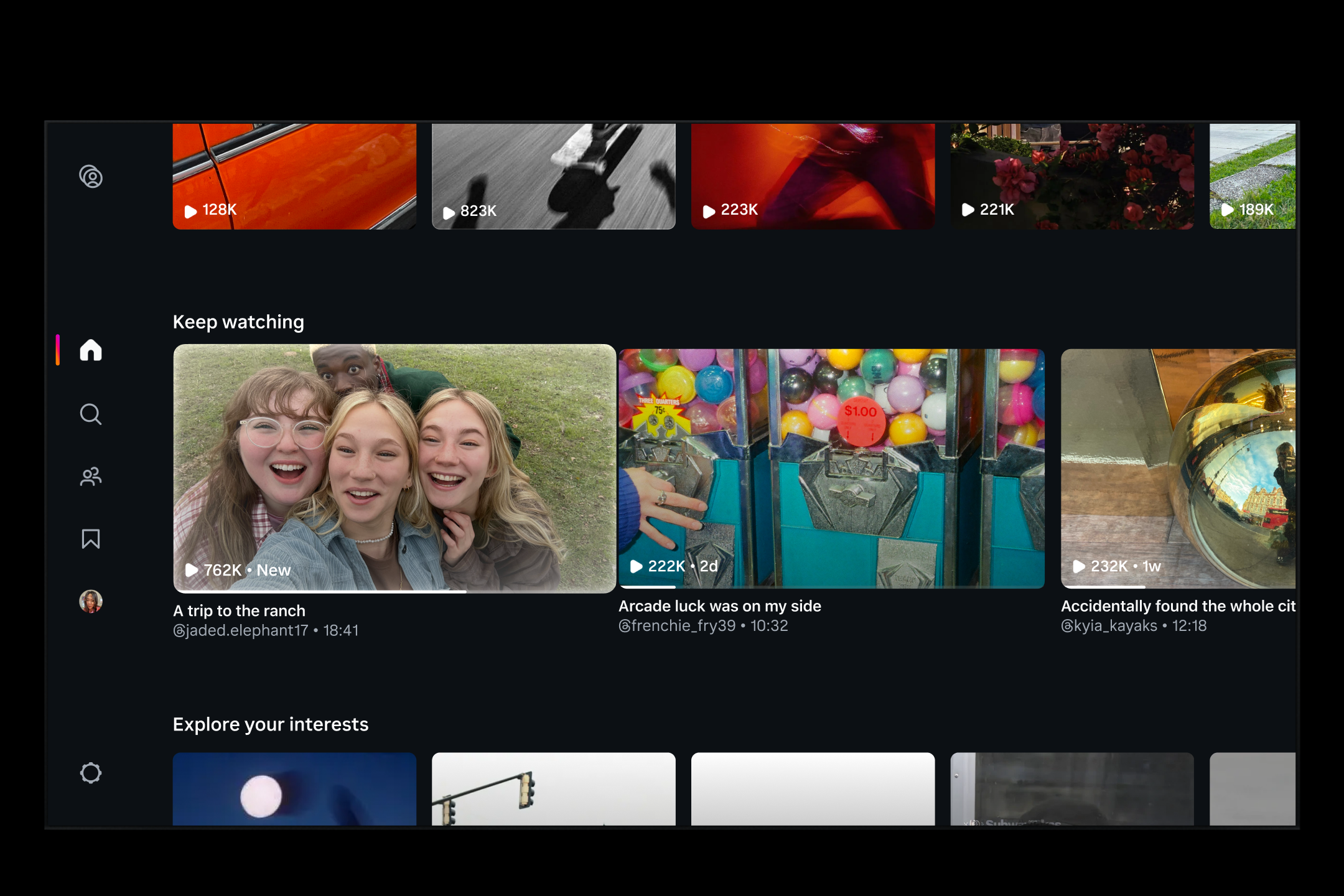
Meta's Instagram is doubling down on long-form video ambitions. The platform now tests the ability to upload videos stretching up to 90 minutes, a dramatic leap from its previous constraints. Simultaneously, Instagram launches on Apple TV, giving creators and viewers another screen to consume Reels and video content.
These moves represent Instagram's clearest challenge yet to YouTube's dominance in creator-driven video consumption. For years, Instagram lived in YouTube's shadow on the long-form front, capping videos at 60 minutes and treating Reels as short-form competitors to TikTok. The 90-minute test signals a serious pivot toward the professional creator economy that YouTube has monetized for over a decade.
The Apple TV expansion matters because it mirrors YouTube's own television strategy. YouTube has been the default living room experience for years through native apps and casting. Instagram's push onto connected TVs suggests Meta believes there's an audience ready to watch Instagram creators on the big screen, not just phones. This expands real estate for the platform's algorithm and opens new ad-serving opportunities on premium screens.
But here's the catch that separates Instagram from YouTube. Despite these infrastructure investments, Instagram still refuses to guarantee creator payments for video content. YouTube built its creator class through AdSense revenue sharing, then branched into YouTube Premium payouts, memberships, and Super Chat features. YouTube creators can earn six or seven figures annually from platform-native monetization.
Instagram's creator fund, launched in 2018, remains modest and poorly understood compared to YouTube's transparent earnings potential. The platform offers bonuses tied to engagement milestones and Reels Play Bonus programs, but these lack YouTube's structural certainty. Many Instagram creators still treat the platform as a portfolio tool while monetizing primarily through brand deals, affiliate links, and external sponsorships.
This discrepancy becomes the central tension in Meta's long-form strategy. Longer video capabilities and premium screen placement won't lure YouTube's most ambitious creators if Instagram doesn't commit to revenue sharing architecture. YouTube creators upload 720,000 hours of content daily partly because the financial incentive structure works. Instagram's infrastructure improvements look hollow without corresponding creator payments.
Meta faces a paradox. The company wants YouTube's creator ecosystem without YouTube's cost structure. Building long-form dominance requires attracting serious video talent, which demands serious compensation. Influencers and professional video creators track earnings potential closely. Without explicit monetization guarantees, Instagram risks becoming a testing ground and secondary platform rather than a primary upload destination.
The Apple TV push does suggest Meta is thinking bigger about creator economics. Television distribution signals premium intent. But announcements about technical capabilities ring hollow to creators watching competitors' bank accounts grow.
Instagram's infrastructure is genuinely improving. The 90-minute capability removes technical barriers. Apple TV integration checks a distribution box YouTube checked years ago. These developments matter for casual viewers and hobbyist creators. For professional content makers evaluating platform commitments, the lack of monetization clarity remains the elephantine absence from Meta's otherwise ambitious announcement.