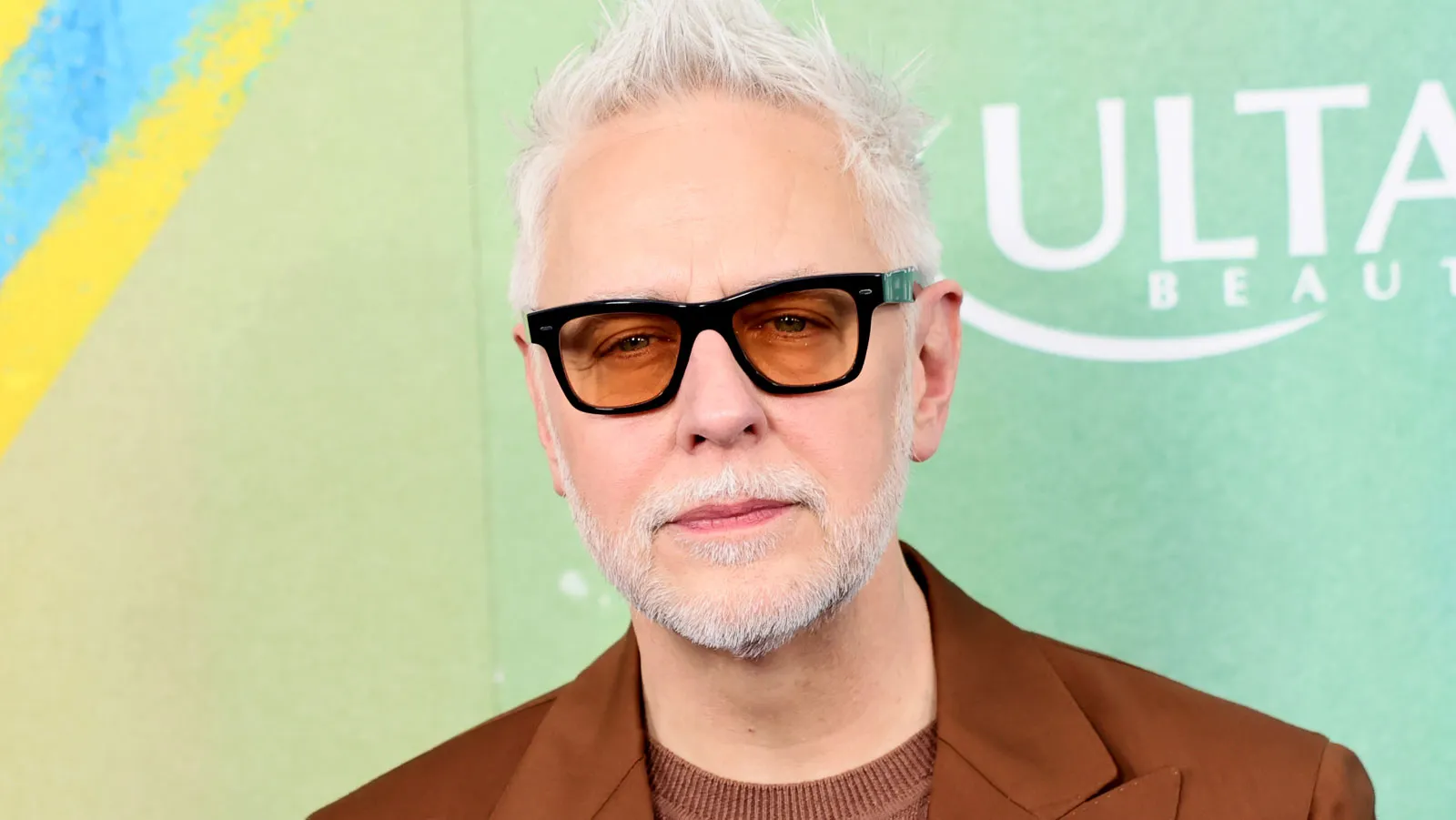
James Gunn is pushing back against criticism that his DC Universe lacks narrative coherence. The director and co-chair of DC Studios addressed concerns online about connectivity between projects in his DCU slate, which includes Superman, Peacemaker, Supergirl, and other titles currently in development or recently released.
The pushback emerged as Clayface hits theaters this weekend, coinciding with Marvel's Avengers: Doomsday approaching release. The timing invites direct comparison between the two universes and their approaches to continuity. One commenter flagged apparent disconnects across six recent DC projects, questioning how Gunn's vision ties together.
Gunn responded directly to the criticism, defending the architecture of his DCU strategy. He argued that the films and series do maintain meaningful connections and that audiences misunderstand how his universe building differs from Marvel's approach. The distinction matters: Marvel spent over a decade establishing the MCU through careful continuity threads and cameos. Gunn is taking a different path with DC, one that emphasizes standalone stories with lighter connective tissue.
This reflects a broader shift in how DC Studios approaches franchise building under Gunn and Safran's leadership. Unlike Kevin Feige's MCU formula, which demanded viewers track multiple properties simultaneously, the new DC model permits greater creative autonomy per project while maintaining a shared universe framework. Superman serves as the anchor, with other films and shows existing in the same world without requiring exhaustive crossover setup.
Peacemaker, the HBO Max spinoff starring John Cena that preceded The Suicide Squad sequel, operated largely as its own entity despite existing in the DCU. Supergirl, the CW series that connected to Arrow, The Flash, and other shows, followed different continuity rules entirely. Now Gunn is consolidating these disparate threads under one vision, but the transition creates exactly the kind of confusion his critics are spotting.
The Clayface film, starring Timotheé Chalamet as the shapeshifter villain, represents another piece of this puzzle. How it relates to Henry Cavill's Superman or other DCU projects remains unclear to general audiences, which fuels the narrative continuity questions Gunn is now addressing.
This defense matters for DC's competitive position against Marvel. Audiences have grown increasingly fatigued by over-serialized storytelling demands. The MCU's density created die-hard fans but also alienated casual viewers who felt pressured to watch every installment. Gunn's willingness to let projects breathe independently while maintaining universe connectivity could attract audiences tired of mandatory viewing. However, clarity on that connectivity becomes essential for the strategy to work.
Gunn's response suggests confidence in his long-term vision, even if casual audiences struggle to map connections immediately. As more DCU projects launch, the interconnected elements will likely become clearer. Superman will establish baseline continuity. Subsequent films and series will build from that foundation while maintaining their individual storytelling integrity.
Whether this approach succeeds depends on execution. Marvel proved that meticulous continuity builds anticipation and loyalty. DC proved under Snyder, Patty Jenkins, and others that standalone excellence can generate passion. Gunn is betting he can have both. His pushback against continuity critics signals confidence that time will validate his vision as properties accumulate and patterns emerge.