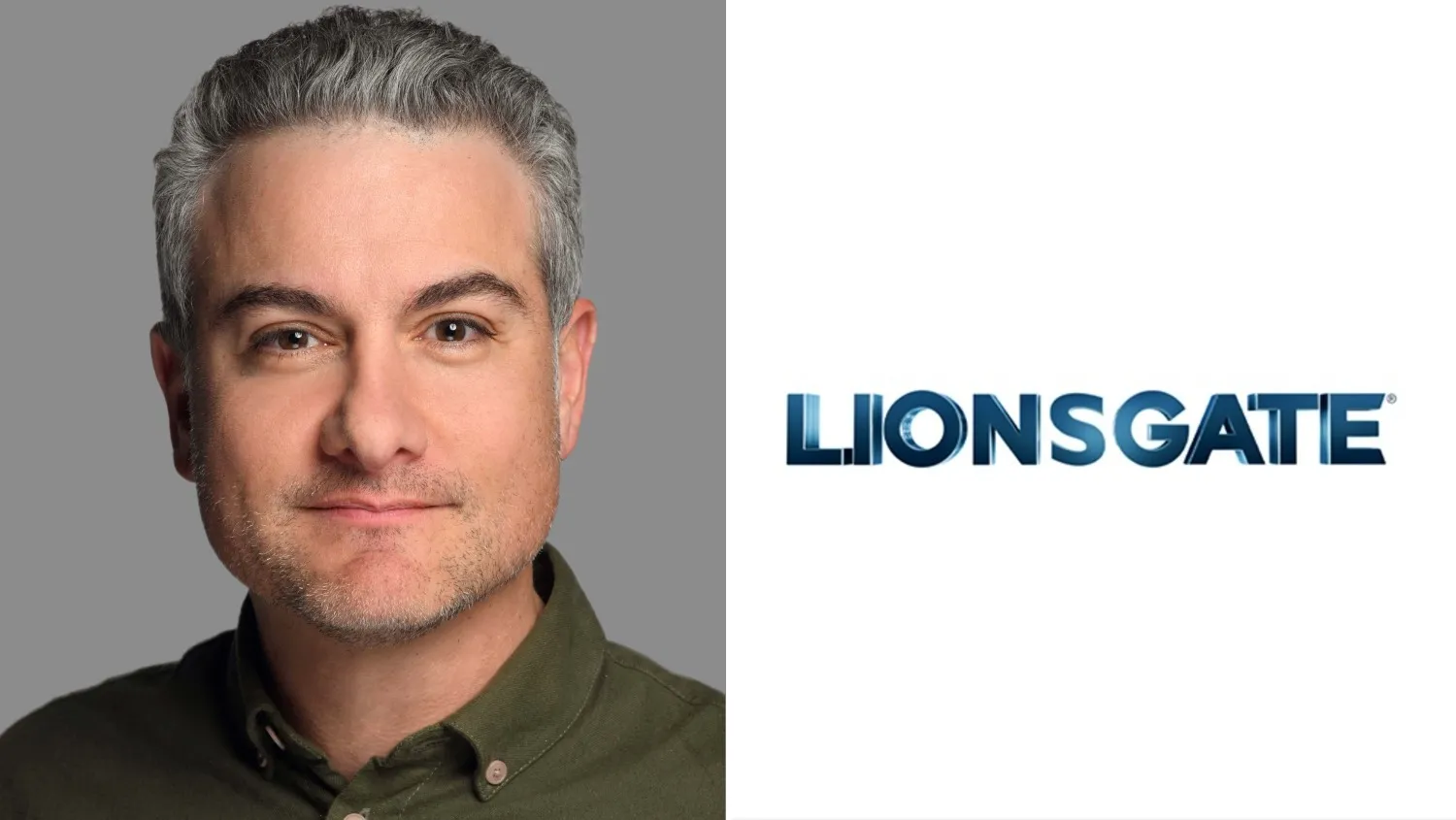
Scott Herbst's promotion to President of the Lionsgate Television Group consolidates significant creative control across the studio's scripted television operations. The executive, previously serving as EVP and Head of Development, now oversees development, current programming, casting, music supervision, and scripted digital series. This expanded mandate reflects Lionsgate's push to streamline decision-making as traditional TV production faces mounting pressure from streaming competition.
Herbst's ascension represents a common industry pattern where studios collapse multiple departments under single leadership to accelerate greenlight processes and maintain creative consistency across projects. By uniting development, current series oversight, and casting functions, Lionsgate positions Herbst to shape the network's entire creative pipeline from conception through production. The addition of music oversight marks an underrated responsibility in prestige television, where soundtrack selection carries commercial and critical weight. Consider how Emmy-winning shows like "Yellowjackets" and "The Summer I Turned Pretty" leverage music as narrative tool and cultural marker. Herbst's control over this vertical suggests Lionsgate values sonic identity as strongly as storytelling.
The promotion occurs as Lionsgate Television navigates a crowded prestige TV landscape dominated by Netflix, Apple TV Plus, and Amazon Prime Video. The studio produces high-profile series including the "Yellowstone" universe and maintains development deals across major platforms. Consolidating authority under a single president typically enables faster iteration on creative notes, more decisive casting decisions, and unified strategy across multiple streaming buyers and traditional networks. In an era when pilot development cycles compress and networks demand faster turnarounds, Herbst's expanded scope allows him to eliminate bottlenecks that previously required sign-off from multiple department heads.
The scripted digital series addition signals Lionsgate's acknowledgment that short-form content, whether TikTok originals or YouTube-distributed drama, demands dedicated resources. Streaming platforms increasingly green-light limited-run digital projects to build IP and test creators before scaling to full series. By giving Herbst formal oversight of this sector, Lionsgate demonstrates commitment to experimental formats that traditional television studios long dismissed.
Herbst reports to Kevin, indicating a clear chain of command that likely extends to former Lionsgate CEO Jon Feltheimer or current television leadership. This reporting structure ensures television strategy aligns with broader studio priorities while granting Herbst operational autonomy over his division's daily functions. The move also suggests confidence in Herbst's ability to manage competing interests. Development teams often clash with current programming divisions over resource allocation and creative philosophy. Placing both units under single leadership typically resolves these tensions faster than traditional siloed structures.
For creators and agencies, Herbst's elevation matters significantly. Development executives who pitch projects report to someone with direct authority over series that get made. Casting directors see faster decision-making when one leader controls talent acquisition and creative requirements. Composers and music supervisors gain direct line to decision-makers rather than navigating multiple approval layers.
Lionsgate Television produces content across price points and genres, from premium drama to reality programming. Herbst's portfolio now encompasses the studio's highest-stakes creative decisions. His success or failure in this role will determine whether consolidation accelerates production or creates bottlenecks that frustrated studios warned against.