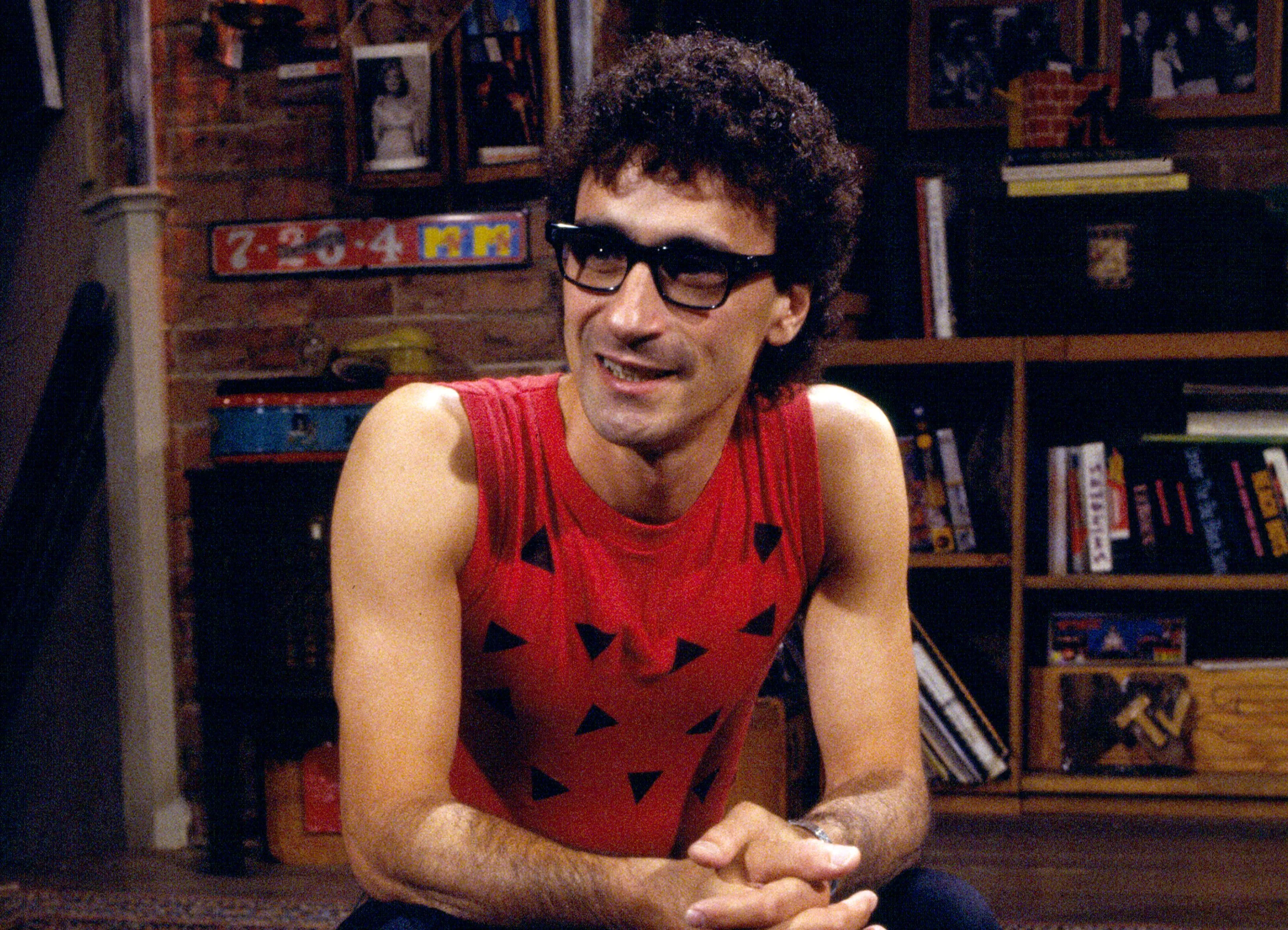
Donnie Iris, the Pittsburgh rock institution who delivered chart-topping hits across multiple decades and defined the sound of his hometown's music scene, died Monday at 83 after a three-year battle with bladder cancer.
Iris built his legend across two distinct eras. In the 1960s, he found early success as a member of the Jaggerz, the rock group that reached No. 2 on the Billboard Hot 100 and established themselves as serious contenders in the competitive pop-rock landscape. That early momentum positioned Iris for a solo career that would prove even more durable.
His greatest commercial peak arrived in the 1980s when Iris emerged as a solo force, scoring multiple hit singles that resonated far beyond Pittsburgh but cemented his status as a regional icon. The 1980s saw him rack up radio-friendly tracks that balanced rock credibility with mainstream accessibility, a formula that kept him relevant as the music industry shifted through MTV's rise and the synthesizer-driven production values of the decade. Songs like "Ah! Leah!" and "My Girl" became staples of FM radio and defined the sound of that era for a generation of listeners.
What separated Iris from many of his peers was his six-decade staying power. He didn't flash briefly on the charts and disappear. Instead, Iris maintained a working musician's schedule, touring regularly and performing for devoted fans who treated him as a genuine hometown hero. Pittsburgh embraced him completely, a loyalty that extended far beyond typical artist-fan relationships. He represented something deeper: authentic rock and roll from one of America's great steel-town music traditions.
The music industry's relationship to artists like Iris has shifted considerably. Streaming platforms now measure success differently than the Billboard charts that dominated Iris' heyday. Contemporary artists face fragmented audiences and algorithmic discovery rather than the gatekeeping radio landscape of the 1980s. Yet Iris' sustained relevance across six decades offers a template for longevity that transcends any single platform or era.
His influence extended beyond his own recordings. The Jaggerz' early success helped establish Pittsburgh as a serious music hub, paving the way for later acts to gain national attention from the region. Iris' solo work in the 1980s proved that regional pride and commercial appeal weren't mutually exclusive. He could pack local venues while maintaining radio presence nationally.
The rock and roll community has seen several notable losses in recent years, reminding the industry and fans alike of the importance of honoring artists while they're still performing. Iris spent his final years continuing to tour and perform, maintaining the work ethic that defined his career from its beginning.
His death marks the end of an era for Pittsburgh music history. Iris leaves behind a catalog that spans genuine artistic evolution and commercial success, a rare combination that kept audiences engaged from the 1960s through the 1980s and beyond. For generations of Pittsburgh listeners, Donnie Iris simply was the sound of hometown rock and roll at its finest.